
Snail meat is generally edible, but it needs to be thoroughly cooked and the internal organs removed. Snails may carry parasites or bacteria, and improper handling can cause gastrointestinal discomfort. It is recommended to choose fresh snails, soak them in water and spit sand before cooking, and heat them thoroughly before consumption.
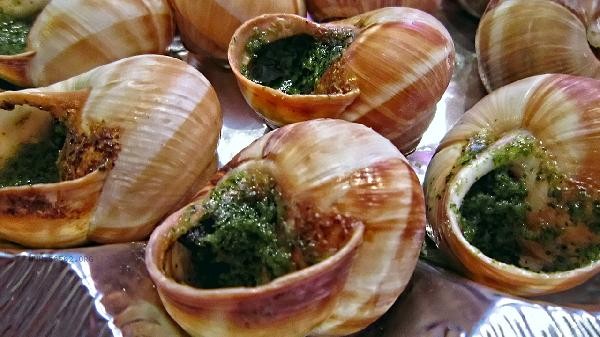
Snail meat is rich in high-quality nutrients such as protein, iron, and zinc. Traditional cooking methods such as stir frying and stewing can enhance flavor and safety. In some regions, methods such as spicy snails and stir fried snails with perilla can effectively kill bacteria while preserving the freshness and tenderness of the meat. Attention should be paid to the accumulation of heavy metals or toxins in the internal organs of snail tails, which should be removed before consumption. People with allergies or weaker gastrointestinal function should try with caution. Wild snails may accumulate harmful substances due to water pollution, while farmed snails are relatively more controllable. If symptoms such as abdominal pain and diarrhea occur after consumption, stop eating immediately and seek medical attention. Children, pregnant women, and those with low immunity are advised to avoid consuming snails processed by street vendors. When making homemade snails, the boiling time should be extended to at least 20 minutes to ensure safety.

Daily consumption of snails should be controlled in frequency and single intake, avoiding consumption with cold foods. Pairing with spices such as ginger, garlic, and chili can help neutralize the coldness of snails and promote digestion and absorption. Storing live snails requires soaking in diluted salt water and changing the water daily. Dead and spoiled snails are not edible. If there are doubts about the safety of aquatic products, other low-risk shellfish can be chosen as substitutes.









Comments (0)
Leave a Comment
No comments yet
Be the first to share your thoughts!