
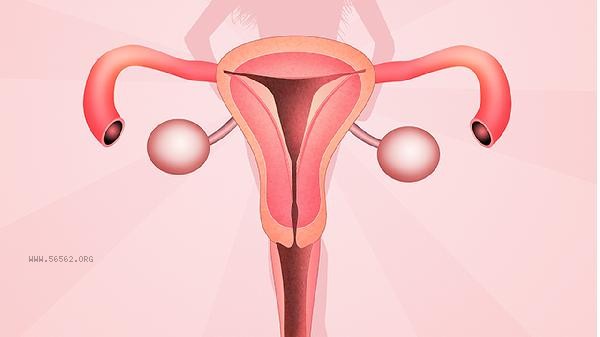
Patients with uterine malformations can usually become pregnant, but the probability of conception and pregnancy risk vary depending on the type and degree of malformation. Uterine malformations mainly include types such as mediastinal uterus, bicornuate uterus, unicornuate uterus, residual horn uterus, and arcuate uterus. Most of them can achieve normal pregnancy through pre pregnancy assessment and pregnancy management. The mediastinal uterus is the most common type of uterine malformation, with the uterine cavity partially or completely separated by the mediastinum. These patients are usually able to conceive naturally, but the mediastinum may affect embryo implantation and increase the risk of early miscarriage. Mild mediastinum may not require intervention, while severe mediastinum can be surgically removed through hysteroscopy. Patients with bicornuate uterus have a heart-shaped depression at the bottom of the uterus and a small volume of the uterine cavity, which may limit the space for fetal growth. Therefore, it is necessary to strengthen prenatal monitoring. Only one side of the accessory mesonephric duct develops in a unicornuate uterus, which can lead to fetal growth restriction or premature birth during pregnancy. It is recommended to evaluate the function of the contralateral fallopian tube before pregnancy. Patients with residual horn uterus have a higher risk of pregnancy. If the fertilized egg implants in the residual horn uterus, it may cause uterine rupture, and the type of malformation needs to be identified through imaging before pregnancy. A slight depression in the bottom of the arched uterus has a minor impact on pregnancy, but may increase the probability of abnormal fetal position. A very small number of patients with congenital absence of uterus or primordial uterus are unable to conceive and require assisted reproductive technology combined with surrogacy to meet their fertility needs.

It is recommended that patients with uterine malformations undergo three-dimensional ultrasound or magnetic resonance imaging before pregnancy to clarify the classification of the malformation, and regularly monitor cervical function and fetal development after pregnancy. If there is abnormal abdominal pain or bleeding during pregnancy, seek medical attention promptly and take preventive measures such as cervical cerclage if necessary. Postpartum attention should be paid to complications such as placental retention or uterine atony. During lactation, it is still necessary to follow medical advice to re-examine the recovery of the uterus.





Comments (0)
Leave a Comment
No comments yet
Be the first to share your thoughts!