
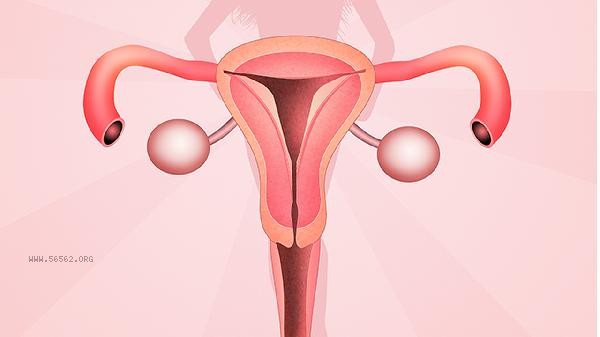
Patients with uterine malformations can generally become pregnant, but the probability of conception and pregnancy risk vary depending on the type and degree of malformation. Uterine malformations mainly include types such as unicornuate uterus, bicornuate uterus, mediastinal uterus, and bicornuate uterus, which may be caused by congenital developmental abnormalities or acquired factors. Mild uterine malformations, such as incomplete mediastinal uterus or mild bicornuate uterus, usually have little impact on conception. These patients may only present with reduced menstrual flow or mild dysmenorrhea. After pregnancy, regular prenatal check ups are conducted to monitor the position of the placenta and fetal development, and most can deliver smoothly. Some patients need to undergo hysteroscopy surgery for correction before pregnancy to reduce the probability of miscarriage or premature birth. During pregnancy, special attention should be paid to avoiding vigorous exercise and strengthening nutrient intake, especially the supplementation of folate and iron elements. Severe uterine malformations, such as a unicornuate uterus with residual horns or a completely septate uterus, may significantly affect fertility. This type of malformation is often accompanied by insufficient uterine volume or abnormal fallopian tubes, with a lower probability of natural conception, and is prone to complications such as ectopic pregnancy and recurrent miscarriage. Some patients require assisted reproductive technology for pregnancy, and strict monitoring of cervical function is necessary during pregnancy. If necessary, cervical cerclage surgery may be performed. For patients with severe cardiovascular malformations, pregnancy may endanger maternal safety and requires a multidisciplinary team to assess the risk.

It is recommended that patients with uterine malformations undergo detailed gynecological examinations and imaging evaluations before pregnancy to clarify the classification of malformations and the status of the uterine cavity. After pregnancy, the frequency of prenatal check ups should be increased, and fetal growth curves and placental function should be monitored through ultrasound. The mode of delivery should be personalized according to the type of malformation and the condition of the fetus, and some patients may require early cesarean section to terminate pregnancy. Postpartum attention should be paid to the condition of uterine involution to prevent complications such as late postpartum hemorrhage.





Comments (0)
Leave a Comment
No comments yet
Be the first to share your thoughts!