
Immature tomatoes are not recommended for direct consumption. Immature tomatoes contain a high amount of solanine, which may cause gastrointestinal discomfort and even poisoning. After ripening, the solanine content will significantly decrease. Immature tomatoes have a greenish green skin, hard and sour flesh, and a high content of solanine in tomatoes in this state. Longkui alkaloid is a natural toxin, and excessive intake may cause poisoning symptoms such as oral numbness, nausea, vomiting, abdominal pain, and diarrhea. Especially for people with weaker gastrointestinal function, such as children, the elderly, or patients with chronic gastrointestinal diseases, consuming immature tomatoes is more likely to cause discomfort. Place immature tomatoes in a well ventilated area at room temperature, and they will gradually turn red and soften after 3-5 days. At this point, the content of solanine can be reduced to a safe range. In rare cases, some regions may use tomatoes that have not fully turned red for pickling or cooking, such as making green tomato sauce or stir frying dishes. High temperature heating can partially decompose solanine, but this method still requires controlling the amount consumed and avoiding excessive intake at once. The folk practice of soaking immature tomatoes in wine or vinegar stains cannot completely eliminate the risk of toxins. Sensitive individuals should try it with caution. If symptoms such as tongue numbness and persistent abdominal pain occur after ingesting immature tomatoes, seek medical attention immediately.
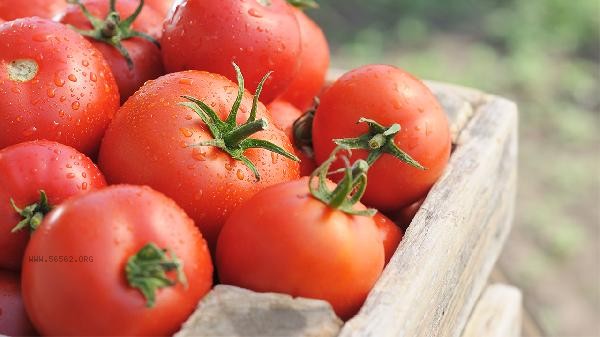
When purchasing tomatoes in daily life, it is recommended to choose mature fruits with uniform and rosy color, fresh fruit stems, and avoid refrigeration during storage to avoid affecting the ripening process. For tomatoes grown at home, you can wait for them to fully turn color before picking and consuming them. If you need to eat green tomatoes, it is recommended to cook them at high temperatures and mix them with other ingredients to spread the risk, while controlling the single intake to no more than 50 grams. Maintaining dietary diversity and avoiding long-term or excessive intake of single immature fruits and vegetables can help reduce food safety risks.








Comments (0)
Leave a Comment
No comments yet
Be the first to share your thoughts!