
Tofu can usually be eaten overnight after being cooked, but it needs to be refrigerated and fully heated. If stored improperly or if tofu has spoiled, it is not recommended to consume. Tofu is rich in protein and water, and can inhibit bacterial growth in refrigerated environments below 4 ℃. After overnight exposure to high temperatures above 100 ℃ for more than 5 minutes, it can kill most microorganisms. When refrigerating, it is necessary to seal it with plastic wrap to avoid cross contamination. When reheating, it is recommended to pair it with antibacterial seasonings such as minced garlic and shredded ginger. Tofu with a sticky texture and a sour taste may have developed pathogenic bacteria and should be discarded for disposal. Tofu stored at room temperature for more than 2 hours or refrigerated for more than 3 days in summer has a higher risk, and people with weaker immune systems such as the elderly and pregnant women should avoid consuming it. Some commercially available brine tofu can extend its shelf life due to its high salt content, but repeated heating can lead to nutrient loss. Mapo tofu and other heavy flavor dishes made with tofu are more resistant to storage due to the high oil and salt environment, while stewed tofu needs to be eaten as soon as possible.
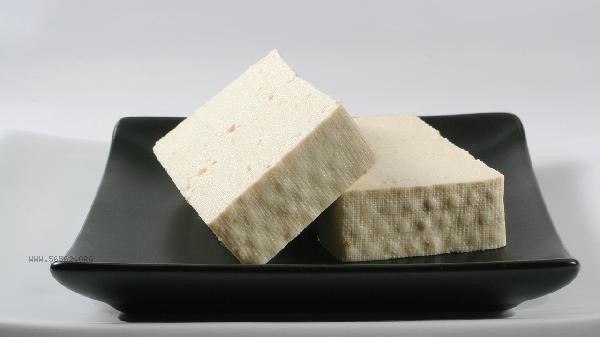
Overnight tofu is recommended to be stir fried with fresh vegetables or boiled in soup to avoid secondary refrigeration. During daily cooking, it can be packaged and frozen as needed. After thawing, the taste may slightly decrease but it does not affect safety. Pay attention to the cleaning and disinfection of cutting boards and tableware. Separating raw and cooked materials can further reduce risks. If symptoms such as abdominal pain and diarrhea occur after consumption, seek medical attention promptly.
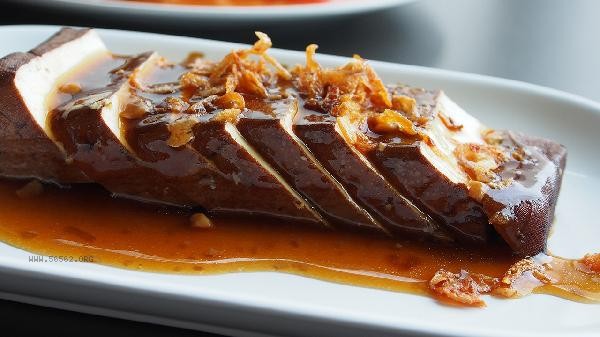
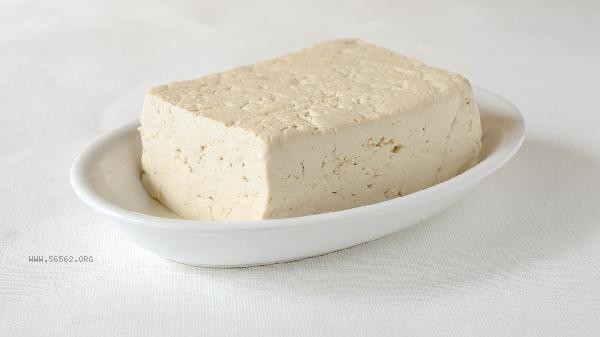








Comments (0)
Leave a Comment
No comments yet
Be the first to share your thoughts!