
The tail of snails is generally not recommended for consumption. The tail of snails may contain harmful substances such as sediment, parasites, or bacteria, which may cause gastrointestinal discomfort or infection risk after consumption. It is recommended to remove the tail when dealing with snails to ensure food safety. The tail of the snail is a concentrated area for the digestive system and excreta, which can easily accumulate pollutants and parasites in the water. Soak the snails in clean water and spit sand before cooking, and clean the shell with a brush. High temperature cooking can kill some pathogens, but the texture of the tail tissue is harder and there may be residual impurities, making complete removal safer. In some local culinary cultures, there is a habit of consuming tail meat, but it requires special treatment such as long-term pickling or deep frying.
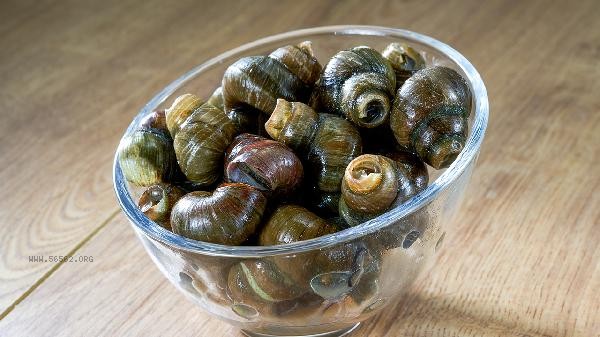
In special circumstances, the tail of snails that have been professionally processed may be consumed, such as in some traditional dishes where multiple water changes and high-temperature stir frying are used. But this approach requires extremely high processing technology, making it difficult for home cooking to meet safety standards. The tail of wild snails carries a higher risk, while snails with controllable breeding environments have a slightly higher relative safety factor. However, it is still recommended to prioritize consuming heads with plump meat.
When consuming snails, fresh individuals with intact shells should be selected. When cooking, heat thoroughly until fully cooked and avoid eating raw or undercooked food. Pairing with antibacterial seasonings such as ginger and garlic can reduce risks, but cannot replace high-temperature treatment. People with weak gastrointestinal function, pregnant women, and children should consume with caution. If symptoms such as abdominal pain and diarrhea occur after consumption, seek medical attention promptly and inform of dietary history. It is recommended to control the frequency of consumption in daily diet and pay attention to pairing with other protein foods to ensure nutritional balance.








Comments (0)
Leave a Comment
No comments yet
Be the first to share your thoughts!