
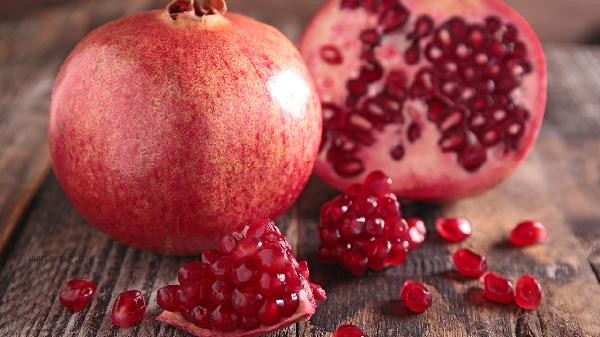
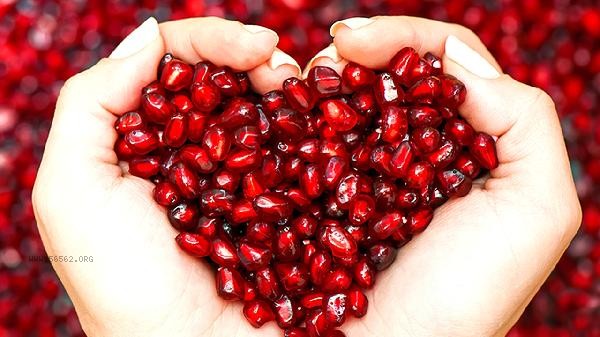
The seeds in pomegranate are generally edible. Pomegranate seeds are rich in dietary fiber and antioxidants, which help promote digestion and enhance immunity. Pomegranate seeds have a hard texture and may cause discomfort when chewed. People with weak digestive function are recommended to consume small amounts or avoid swallowing whole seeds directly. Pomegranate seeds contain antioxidant components such as pomegranate seed polyphenols and anthocyanins, which help to eliminate free radicals in the body and delay cellular aging. Pomegranate seeds have a high content of dietary fiber, and moderate intake can promote intestinal peristalsis and improve constipation. Pomegranate seeds also contain a small amount of fatty acids and vitamin E, which have certain benefits for skin health. When consuming, you can choose the variety of pomegranate with soft seeds, or juice and filter the pomegranate seeds before drinking. Some people may experience gastrointestinal discomfort, such as bloating and abdominal pain, when consuming pomegranate seeds. Children, the elderly, and those with poor gastrointestinal function are recommended to chew pomegranate seeds thoroughly before swallowing, or choose to consume them without seeds. The outer lignin structure of pomegranate seeds is difficult to digest and absorb by the human body, and excessive intake may increase intestinal burden. People who are allergic to pomegranate should avoid contact with pomegranate seeds to prevent allergic reactions. Pomegranate seeds can be paired with foods such as yogurt and salads to improve taste and enhance nutritional value. When storing pomegranates, it is recommended to refrigerate them and consume them as soon as possible after cutting to avoid oxidation and spoilage. Pay attention to maintaining food diversity in daily diet, and include pomegranate as a part of fruit intake without deliberately consuming large amounts of pomegranate seeds. If there are persistent symptoms of indigestion, timely medical examination should be sought to rule out other gastrointestinal diseases.









Comments (0)
Leave a Comment
No comments yet
Be the first to share your thoughts!