
After washing the seaweed, it can be stored in the refrigerator for freezing, which can extend the shelf life and retain most of its nutrients. Kelp will soften in taste after freezing, but it is more suitable for stewing or making soup after thawing, and not suitable for cold mixing. When frozen, it is necessary to drain the water and seal the packaging to avoid repeated thawing. Kelp is a high dietary fiber, low calorie seaweed food, rich in minerals such as iodine, calcium, and potassium. During the freezing process, the cell structure undergoes changes, resulting in a softening of the texture, but minerals and some water-soluble vitamins can still be well preserved. Short term freezing has little impact on the nutritional value of kelp, while long-term freezing may lead to the loss of some B vitamins. It is recommended to divide the washed seaweed and pack it as needed to reduce the number of thawing cycles. If the kelp has shown signs of deterioration such as stickiness and odor, it is not suitable for freezing storage. Some instant seaweed products may experience water separation or taste changes after freezing due to the presence of preservatives. Salted kelp needs to be thoroughly soaked and desalinated before freezing, otherwise it is easy to form ice crystals and damage the tissue structure. Seasoning kelp products with special processing techniques should refer to the packaging instructions, and some products may not be suitable for freezing.
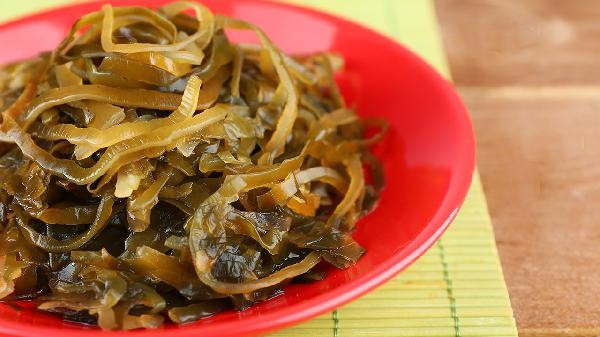
It is recommended to consume frozen kelp within three months, and after thawing, it can be stewed with ingredients such as tofu and pork ribs. Daily storage should avoid mixing with strongly scented food. If there is loss of elasticity or dull color after thawing, it should be discarded. For patients with thyroid diseases, the intake of kelp should be controlled and consumed under the guidance of a doctor to avoid excessive iodine intake affecting the condition.








Comments (0)
Leave a Comment
No comments yet
Be the first to share your thoughts!