
The oil on the surface of beef soup can be consumed in moderation, but the intake should be adjusted according to individual health conditions. Beef soup oil mainly contains saturated fatty acids, a small amount of unsaturated fatty acids, and fat soluble vitamins. Consuming a small amount in healthy individuals can help with nutrient absorption, while patients with hyperlipidemia or cardiovascular disease should reduce their intake. During the cooking process of beef soup, animal fat will precipitate to form surface oil, which is solid at low temperatures and contains a high proportion of saturated fatty acids. Moderate intake can provide energy for the human body and promote the absorption of fat soluble vitamins, especially in cold seasons, which helps maintain body temperature. The recommended daily intake of saturated fatty acids for healthy adults should be controlled within 10% of total calories, and the amount of oil in a bowl of beef soup usually does not exceed this limit. If a high proportion of bone marrow or fat is added during boiling, the oil content will significantly increase. At this time, some floating oil can be removed to reduce heat.
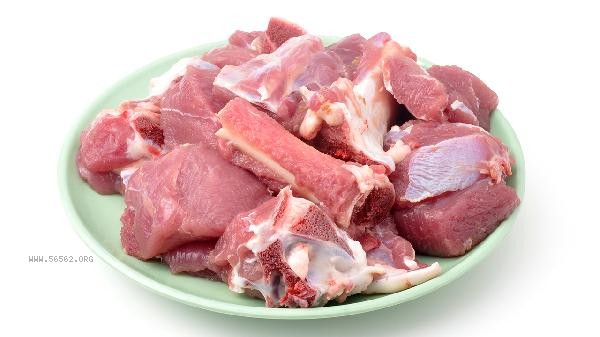
Some people need to strictly control the intake of animal fat. For those suffering from metabolic diseases such as hypercholesterolemia and atherosclerosis, excessive intake may increase the burden of blood vessels. People with weak digestive function who consume large amounts may experience gastrointestinal discomfort, such as bloating or diarrhea. Adopting methods such as removing solidified oil after refrigeration, using lean meat to make soup, and pairing high dietary fiber vegetables can balance nutritional and health needs. Special populations are advised to consult a nutritionist to develop personalized dietary plans.
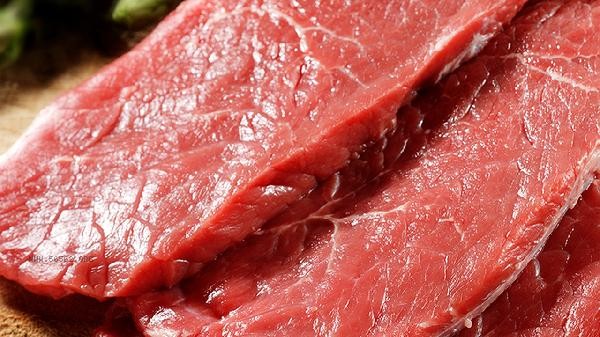
In daily diet, attention should be paid to the combination of meat and vegetables. When eating beef soup, vegetables rich in dietary fiber such as radish and celery can be consumed at the same time to help delay fat absorption. Before boiling the soup, blanch the beef to remove some fat, and use a clay pot to simmer over low heat to reduce oil emulsification. It is recommended that individuals at high cardiovascular risk consume no more than twice a week, skim off any visible oil droplets before each consumption, and maintain a balanced diet structure, which is more conducive to health.








Comments (0)
Leave a Comment
No comments yet
Be the first to share your thoughts!