
It is usually not recommended to eat fruit that has rotted after cutting off the rotten part. The rotten part may have grown mold or bacteria, and toxins may have spread to the seemingly intact flesh. After fruit rots, even if the moldy area is removed, the remaining part may still be contaminated with mycotoxins. Common molds such as penicillin can penetrate into the flesh and cannot be distinguished by the naked eye. After consumption, it may cause gastrointestinal discomfort such as abdominal pain and diarrhea, and long-term intake may even increase the burden on the liver. Hard fruits such as apples and pears have a tight texture and slow spread of toxins, but soft fruits such as peaches and strawberries have a higher risk.
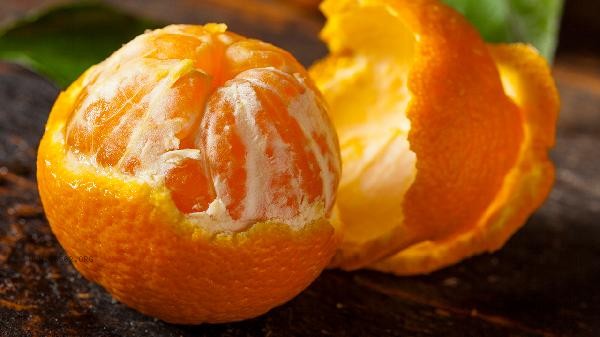
For fruits that have been slightly bumped or mechanically damaged, if no mold has grown and are treated in a timely manner, they can be consumed in the short term after removing the damaged area. But it is necessary to ensure that the incision is fresh and odorless, and that the flesh color and texture are normal. If black spots on the skin of post ripe fruits such as bananas and mangoes do not invade the flesh, it is usually a normal ripening phenomenon.
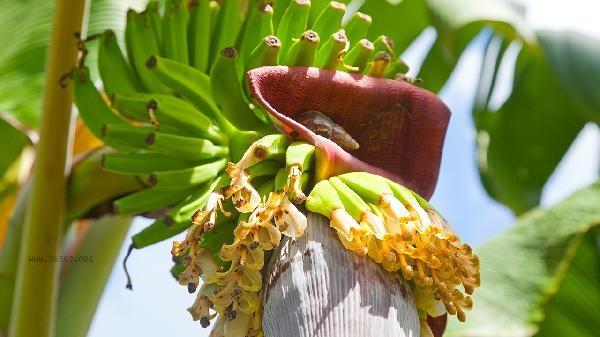
It is recommended to choose fresh fruits with intact appearance in daily life and avoid squeezing and dampness when storing. Slightly rotten fruits can be cooked at high temperatures and made into jam or baked for use, but if mold is severe, they must be discarded. Special populations such as children, pregnant women, or immunocompromised individuals should strictly avoid consuming any rotten fruits to prevent the risk of foodborne diseases.








Comments (0)
Leave a Comment
No comments yet
Be the first to share your thoughts!