
It is generally not recommended to continue cooking edamame after it turns yellow. Yellowing of edamame may be caused by prolonged or improper storage, leading to spoilage, and may cause gastrointestinal discomfort after consumption. If it only turns slightly yellow and has no moldy odor, it can be consumed with caution after being cooked at high temperatures. The yellowing of edamame is usually related to water loss and oxidation reactions. Fresh edamame skin should be bright green, and yellowing indicates chlorophyll decomposition. Long term exposure to air or unstable refrigeration temperatures can accelerate this process. If the pods have a sticky feeling, black spots, or a sour smell, it indicates that bacteria or mold have grown and must be discarded. Although high-temperature steaming can kill some microorganisms, it cannot degrade certain mycotoxins and still poses a food safety risk. Some varieties of edamame will naturally turn yellow in the later stages of maturity, during which the fullness of the beans decreases and the taste becomes harder. If it is confirmed that it is not caused by spoilage, boiling thoroughly for more than 20 minutes can reduce the risk. But the aflatoxin produced by the spoilage of beans is resistant to high temperatures and cannot be destroyed by conventional cooking. Pregnant women, children, and those with weak gastrointestinal function should avoid consuming any abnormal state of edamame.
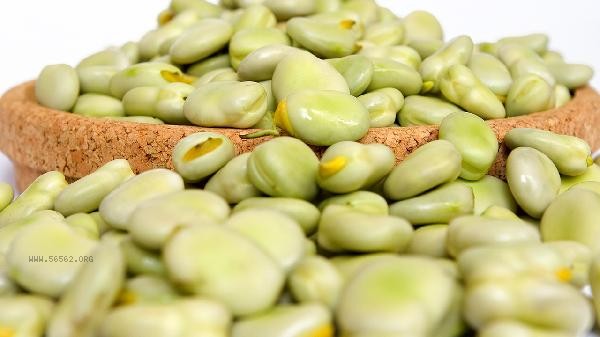
For daily storage of edamame, it is recommended to keep the pods and seal them in a fresh-keeping bag for refrigeration, and consume them within 3 days. Freezing storage can be extended to 2 months, and color and texture should be observed after thawing. Remove discolored pods before cooking, thoroughly clean and blanch in boiling water for 1 minute. Paired with ginger slices or minced garlic, it can assist in sterilization. After diarrhea, the intake of legumes should be temporarily suspended. If vomiting and abdominal pain occur due to ingestion of spoiled edamame, seek medical attention promptly and replenish electrolyte solution.










Comments (0)
Leave a Comment
No comments yet
Be the first to share your thoughts!