
It is generally not recommended to store tea leaves in their original packaging after they have been soaked in water. Tea leaves are prone to oxidation and deterioration when they become damp, affecting their flavor and shelf life. However, if they are only slightly damp, they can be dried immediately. After tea leaves are soaked in water, the infiltration of water accelerates the oxidation reaction of substances such as tea polyphenols in tea leaves, leading to the volatilization of aroma and the weakening of taste. Unfermented teas such as green tea are more sensitive to humidity and are prone to spoilage when exposed to moisture; Pu erh tea and other post fermented teas have slightly stronger moisture resistance, but long-term moisture can still breed mold. If the tea leaves are only slightly wet on the surface and steam condenses during brewing, they can be immediately dried with a clean cotton cloth and placed in a cool and ventilated place to air dry or dried at a low temperature below 40 ℃, avoiding direct sunlight that can cause chlorophyll decomposition. If the tea leaves are clearly soaked and fall into the water as a whole, even if dried, it is difficult to restore their original quality. Moisture can damage the cell structure of tea leaves, leading to the loss of internal substances, and humid environments are prone to the growth of harmful microorganisms such as Aspergillus flavus. After brewing this type of tea, there may be cloudy soup color, dull odor, and even gastrointestinal discomfort. Especially moldy tea leaves can produce aflatoxins, which cannot be completely decomposed even when brewed at high temperatures and must be discarded for disposal.
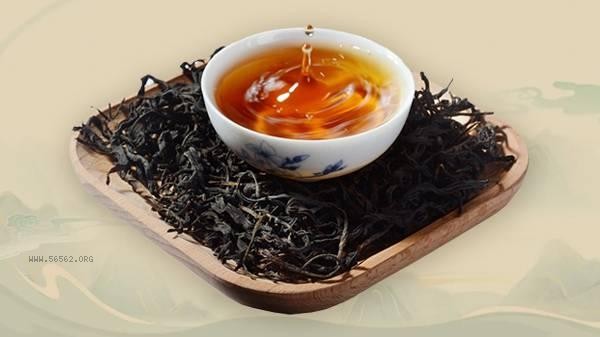
Daily storage of tea should be sealed and protected from light. It can be packaged in tin cans, porcelain cans, or food grade aluminum foil bags and kept away from damp environments such as kitchens. It is recommended to consume tea leaves that have been opened within 3 months. Fresh and tender teas such as green tea can be stored refrigerated, but it is necessary to prevent cross flavors. If tea leaves are found to be damp, clumped, or moldy, it is not recommended to continue drinking even after drying to avoid health risks.








Comments (0)
Leave a Comment
No comments yet
Be the first to share your thoughts!