
Taking stairs can generally help with weight loss, but it needs to be judged based on the intensity of exercise and personal physical condition.

Walking stairs is a high-intensity aerobic exercise that consumes more energy compared to walking on flat ground. When climbing stairs, lower limb muscles such as quadriceps and gastrocnemius need to overcome gravity to do work, resulting in a significant increase in heart rate. Healthy adults can burn 100-150 calories at a speed of 60-80 steps per minute for 20 minutes, which is similar to the effect of jogging. For individuals with good muscle endurance, using weight-bearing or rapid climbing methods can further increase energy expenditure and improve basal metabolic rate. Regular stair exercise can also improve cardiovascular function and promote venous return in the lower limbs. In the sedentary lifestyle of modern people, replacing elevators with stairs in daily life can also generate significant heat gaps.
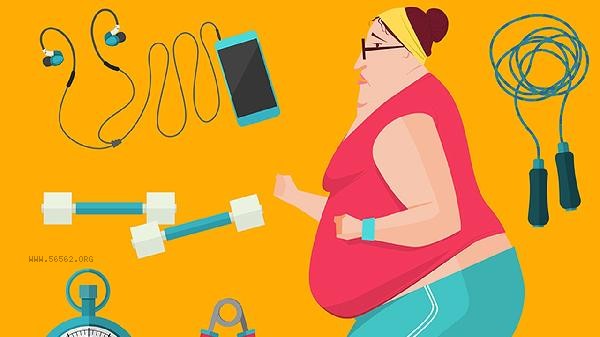
Some people need to be cautious when choosing stair movements. Repetitive flexion and extension movements in patients with knee joint degeneration may exacerbate cartilage wear; Sudden increase in exercise load in individuals with cardiovascular disease can easily trigger palpitations or blood pressure fluctuations; Severely obese individuals are prone to excessive pressure on their ankle joints during vertical movement. Excessive bending of individuals with lumbar disc herniation may cause symptoms of nerve root irritation. Pregnant women have an increased risk of falling due to changes in their center of gravity, and such activities should be avoided in the later stages of pregnancy. The above special groups suggest choosing low impact sports such as swimming and rehabilitation cycling for safety. Adopting reasonable methods can improve the effectiveness of stair movement. When going upstairs, you can land all your feet on the ground to avoid putting pressure on your toes, and when going downstairs, switch to a sideways gait to reduce knee impact. Warm up and stretch the hip, knee, and ankle joints for 5 minutes before and after exercise. In the initial stage, it can be gradually increased from 5 layers per day, and monitored with a sports wristband to ensure that the heart rate does not exceed 60% -80% of (220 age). Attention should be paid to supplementing electrolytes to prevent dehydration, and appropriate intake of protein and complex carbohydrates should be taken within half an hour after exercise. Any joint clicking or persistent soreness should be paused and evaluated with medical attention.








Comments (0)
Leave a Comment
No comments yet
Be the first to share your thoughts!