
Swimming usually helps with weight loss, but it needs to be judged comprehensively based on factors such as exercise intensity and dietary control. When swimming, all muscles in the body participate in exercise, which can burn more calories. Combined with a reasonable diet, it can achieve the effect of weight loss. Swimming, as an aerobic exercise, can effectively improve cardiovascular function and promote fat metabolism. The resistance of water causes higher exercise consumption than land, with breaststroke consuming 400-700 kcal per hour and freestyle consuming even more. When the water temperature is below body temperature, the body needs to expend additional energy to maintain the temperature, further increasing calorie expenditure. Long term adherence to swimming 3-5 times a week for more than 30 minutes each time, combined with a low-fat and high protein diet, can result in weight loss for most people. Attention should be paid to replenishing water after exercise to avoid misjudging the weight loss effect due to dehydration.

Some people's weight changes after swimming are not significant, which may be related to increased appetite and excessive intake after exercise. Floating force in water can reduce joint burden, but it has weaker muscle stimulation. People with high body fat percentage may experience weight loss but slow changes in body fat percentage. Individuals with metabolic disorders such as thyroid dysfunction and polycystic ovary syndrome should first control their underlying conditions before evaluating their exercise effectiveness. Maintaining a heart rate of 60% -80% of the maximum heart rate during swimming is necessary to activate fat supply, and insufficient exercise intensity may affect weight loss efficiency.
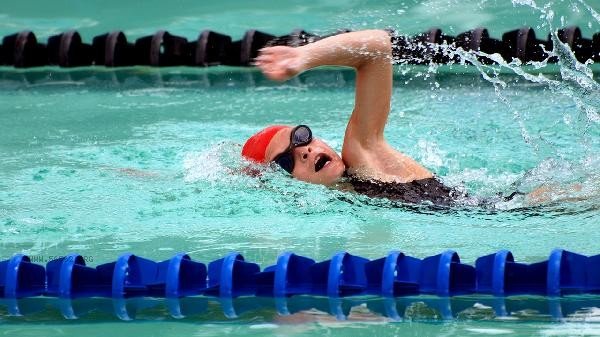
It is recommended to combine swimming with other resistance training to increase basal metabolic rate through muscle building. Warm up and stretch before and after swimming to avoid muscle spasms caused by low water temperature. People with a large body weight can use interval training, such as swimming 50 meters and resting for 30 seconds. If there is no decrease in body fat after swimming continuously for 1-2 months, it is necessary to investigate dietary structure or endocrine problems. The weight loss effect of swimming varies among individuals, and it is recommended to monitor changes in body composition through a body fat scale rather than simply focusing on weight values.









Comments (0)
Leave a Comment
No comments yet
Be the first to share your thoughts!