
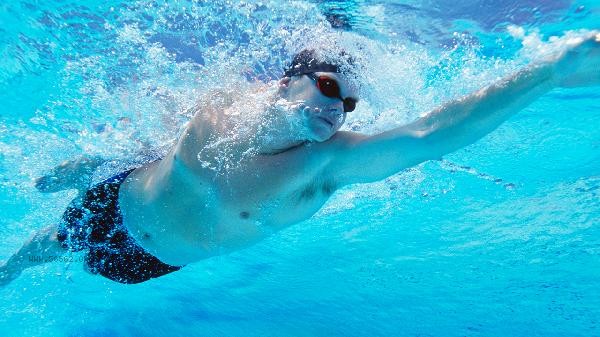
Swimming usually helps with weight loss, but the effect varies from person to person. Swimming is a systemic aerobic exercise that can burn calories, enhance cardiovascular function, and achieve weight loss with a balanced diet. The weight loss effect mainly depends on the intensity, frequency, duration, and individual metabolic differences of exercise. When swimming, the resistance of water is about 800 times that of air, and the heat consumption is higher than that of land sports such as jogging in the same amount of time. Breaststroke can burn 400-600 calories per hour, while freestyle can burn 500-700 calories. When the water temperature is below body temperature, the body needs to expend additional energy to maintain body temperature, further increasing metabolic rate. Long term adherence to swimming 3-5 times a week for more than 45 minutes each time, combined with a low-fat and high protein diet, will result in a decrease in body fat percentage and improvement in muscle lines for most people. Swimming has minimal impact on joints and is suitable as an initial exercise for overweight individuals.

Some people's weight changes after swimming are not significant, which may be related to increased appetite and calorie compensation after exercise. The buoyancy in water reduces the sense of weight on the body, which may cause some people to misjudge the actual intensity of exercise. Low water temperature may stimulate subcutaneous fat accumulation, while high water temperature may reduce exercise efficiency. Individuals with metabolic abnormalities such as hypothyroidism and insulin resistance need to first address underlying diseases in order to demonstrate weight loss effects.
It is recommended to alternate swimming with other forms of exercise to avoid the body adapting to a single exercise mode that leads to a decrease in energy consumption. Monitor heart rate before and after exercise and maintain it within the aerobic fat burning range. Recording changes in diet and circumference is more meaningful than simply focusing on weight. If there is no improvement for 3 months, it is necessary to investigate whether there are metabolic diseases or if the exercise program design is unreasonable.









Comments (0)
Leave a Comment
No comments yet
Be the first to share your thoughts!