
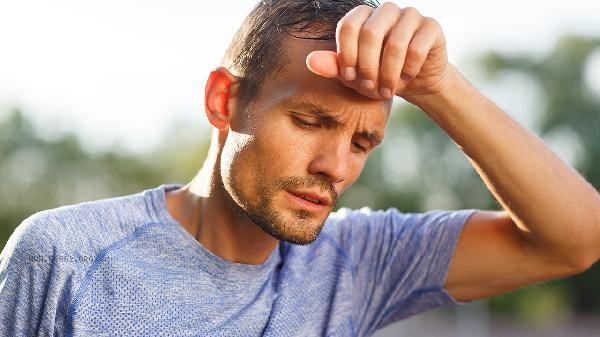
Sweating continuously usually does not directly lead to weight loss. Sweating is a way for the body to regulate body temperature and is not directly related to fat consumption. Weight loss requires consuming more calories than intake, mainly relying on dietary control and exercise. Sweating is a physiological reaction of the body to dissipate heat through the evaporation of sweat during high temperature environments or exercise. Most of the sweat is water and a small amount of electrolytes, not products of fat breakdown. Short term excessive sweating may lead to temporary weight loss, but it is the loss of water rather than fat, and weight will recover after hydration. The energy expenditure associated with sweating during exercise is the key to weight loss. Aerobic exercises such as jogging and swimming can promote fat breakdown, but it takes more than 30 minutes to effectively mobilize fat for energy supply. Although high-intensity interval training may result in less sweating, it is actually more beneficial for weight loss due to the afterburning effect. Some people mistakenly believe that passive sweating such as sauna and wrapping in plastic wrap can help them lose weight, as these methods only cause dehydration and may lead to electrolyte imbalances or heatstroke. Some diseases, such as hyperthyroidism and diabetes, lead to abnormal sweating, which requires timely medical treatment rather than as a means of weight loss. Relying on sweating to judge exercise effectiveness is also unscientific, as factors such as individual sweat gland count and environmental humidity can affect sweat volume. Scientific weight loss should be combined with dietary adjustments and regular exercise, with a recommended daily calorie intake of 300-500 calories. Reduce refined carbohydrates and saturated fat intake in diet, and increase high-quality protein and dietary fiber. Exercise recommendation: 150 minutes of moderate intensity aerobic exercise per week, combined with 2-3 sessions of resistance training. After sweating, replenish fluids containing electrolytes in a timely manner. Body fat percentage, waist circumference and other indicators can better reflect the weight loss effect than body weight. If necessary, consult a nutritionist to develop a personalized plan.








Comments (0)
Leave a Comment
No comments yet
Be the first to share your thoughts!