
Stretching without exercise usually does not achieve significant weight loss results. Although stretching helps relax muscles and improve flexibility, its effect on energy expenditure and fat breakdown is limited. Stretching mainly increases joint range of motion by pulling muscles and connective tissue, and its energy consumption is much lower than aerobic exercise or strength training. Conventional stretching only consumes 50-100 calories per hour, which is equivalent to one-third of the energy consumed during slow walking. The core of weight loss lies in creating a calorie deficit, where daily consumption exceeds intake, and low-intensity stretching is difficult to significantly increase basal metabolic rate or excessive oxygen consumption after exercise. In some special cases, such as prolonged bed rest, stretching may have a slight weight loss effect. For individuals with severe obesity or joint injuries, stretching can be used as an adaptive training before exercise, preparing for subsequent exercise by improving blood circulation and muscle elasticity. However, relying solely on stretching cannot effectively reduce subcutaneous and visceral fat.
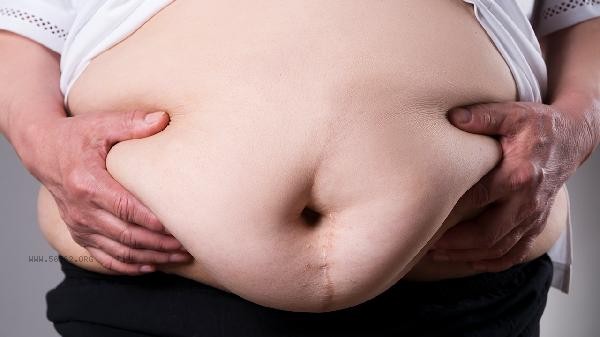
It is recommended to use stretching as a supplementary part of the exercise plan, combined with aerobic exercises such as brisk walking, swimming, cycling, as well as resistance training such as squats and plank supports. At the same time, it is necessary to adjust the dietary structure, control the intake of refined carbohydrates and saturated fats, and ensure the intake of high-quality protein and dietary fiber. Regular monitoring of changes in body fat percentage can better reflect the effectiveness of weight loss than simply focusing on body weight.










Comments (0)
Leave a Comment
No comments yet
Be the first to share your thoughts!