
Directly steaming buns with noodles requires mastering the correct fermentation techniques. The key to making baozi lies in whether the dough is fully fermented, which directly affects the softness and taste of the finished product.

Dough fermentation is the core step of steaming buns. Use yeast powder or aged flour as a fermenting agent, mix flour and water in proportion, and let it stand. When the ambient temperature is between 25-30 degrees, the volume of the dough will expand to twice its size, forming a honeycomb structure inside. insufficient fermentation can lead to a hard and firm texture in steamed buns, while excessive fermentation can produce a sour taste. The standard for judging the completion of fermentation is that the dough does not rebound when poked with fingers and has a slight aroma of alcohol. Fermentation failure may occur in special circumstances. Excessive water temperature can kill yeast activity. It is recommended to dissolve yeast in water at around 30 degrees Celsius. Adding a small amount of white sugar can promote fermentation, but exceeding 5% of flour content will inhibit yeast growth. When the room temperature is low in winter, the fermentation can be accelerated with warm water, or the fermentation time can be extended to more than two hours. Using baking powder as an auxiliary leavening agent can improve the success rate, but the dosage should be controlled to avoid bitterness.
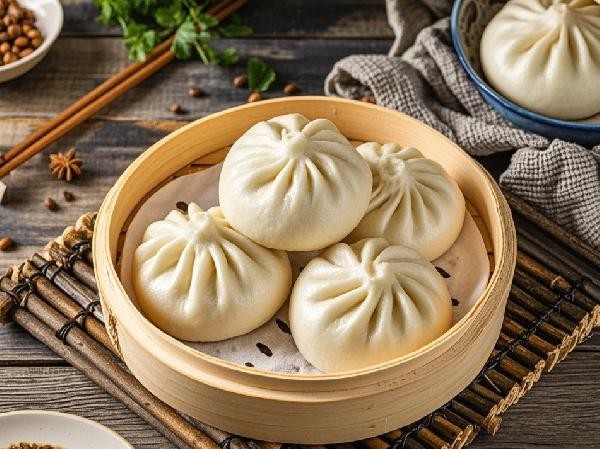
It is recommended to use medium gluten flour when making buns, as its moderate protein content can give the dough both elasticity and extensibility. Adding water in stages during the kneading process makes it easier to control humidity, and it is best to knead until the dough is smooth and not sticky to the hands. Secondary awakening can make the buns more fluffy, that is, after molding, let them stand for 15 minutes before steaming. When steaming, keep the heat high enough to prevent collapse. After turning off the heat, let it simmer for 3 minutes. Pay attention to the differences in water absorption of different flours, adjust the water content appropriately, and combine it with vegetable and meat fillings for a more nutritious and balanced diet.








Comments (0)
Leave a Comment
No comments yet
Be the first to share your thoughts!