
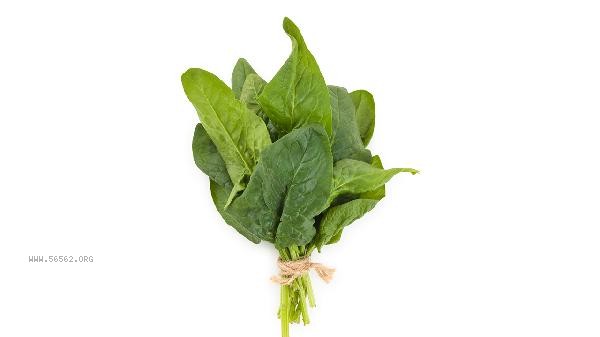
Spinach can be consumed after blanching for 30 seconds, but it is recommended to extend the blanching time appropriately to remove oxalic acid. Spinach contains a high amount of oxalic acid, and short-term blanching may not completely dissolve oxalic acid, affecting calcium absorption. The main purpose of blanching spinach is to reduce the content of oxalic acid, which can easily combine with calcium to form calcium oxalate. Long term excessive intake may increase the risk of stones. Blanching for 30 seconds can dissolve some oxalic acid in water, but spinach with thicker leaves may require longer time. Experiments have shown that blanching in boiling water for 1-2 minutes can remove most oxalic acid while retaining more water-soluble nutrients such as vitamin C and folate. When blanching, the amount of water should be sufficient to avoid squeezing out the water and causing nutrient loss. In special circumstances such as making cold dishes or maintaining a crispy and tender taste, blanching for 30 seconds is acceptable. However, it should be noted that spinach may contain residual pesticides or microorganisms, and short-term blanching has limited bactericidal effect. Sensitive populations such as infants, kidney stone patients, etc. should be blanched thoroughly for at least 3 minutes. Immediately rinsing with cold water after blanching can maintain color, but it may result in the loss of some water-soluble vitamins.

It is recommended to blanch spinach for 1-2 minutes for daily consumption. It can reduce the impact of oxalic acid when it is paired with high calcium foods such as tofu and dairy products. Avoid repeatedly heating and blanching spinach to prevent an increase in nitrite content. Individuals with abnormal kidney function should control their intake of spinach, no more than 3 times a week, with a recommended intake of 100 grams each time. Choose fresh spinach with tender leaves and no yellow spots, and thoroughly clean it before blanching to further reduce the risk.









Comments (0)
Leave a Comment
No comments yet
Be the first to share your thoughts!