
Soaking vegetables in water can reduce pesticide residues to a certain extent, but it cannot completely remove them. The removal effect of pesticide residues is related to factors such as soaking time, water temperature, and pesticide type.
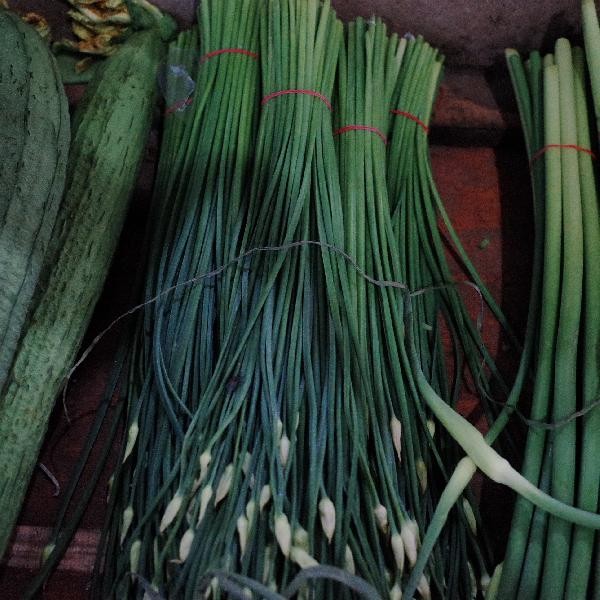
Short term soaking of green vegetables can only remove water-soluble pesticides attached to the surface, and has limited effect on fat soluble pesticides or systemic pesticides. It is recommended to rinse with flowing clean water for more than 30 seconds, which can be combined with scrubbing action to improve the cleaning effect. Some studies have shown that soaking in baking soda water or diluted salt water for 10-15 minutes can enhance the leaching of water-soluble pesticides, but high concentrations of salt water may lead to nutrient loss. Organic phosphorus and other penetrating pesticides can enter the intercellular spaces of vegetables, making it difficult to remove them through regular soaking. This type of pesticide requires high-temperature treatment such as peeling and blanching to decompose. The folds of leafy vegetables are prone to hiding pesticides and need to be opened and washed piece by piece. The qualified rate of pesticide residues in vegetables purchased through legitimate channels is relatively high, and prioritizing seasonal vegetables can reduce risks.
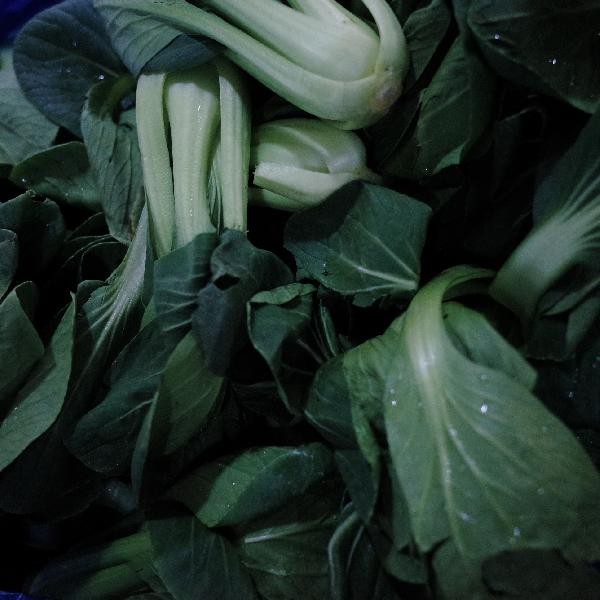
When handling vegetables in daily life, it is recommended to first rinse the surface dirt with running water, then soak for no more than 15 minutes, and finally rinse twice with clean water. Blanching for 1-2 minutes before cooking can further reduce the risk of residue, but it is important to avoid prolonged exposure to high temperatures that can cause vitamin loss. Keep dry and ventilated during storage, as some pesticides may naturally degrade over time. If you are particularly concerned about pesticide residues, you can choose organic certified vegetables or grow them yourself.








Comments (0)
Leave a Comment
No comments yet
Be the first to share your thoughts!