
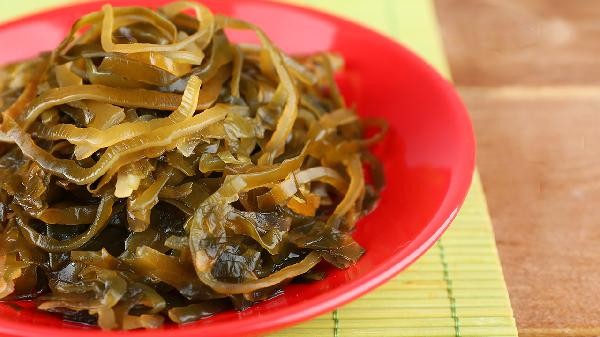
Seaweed that has been soaked can be frozen for storage, but it should be noted that the taste may become soft and nutrients may be lost after freezing. Thawing seaweed after freezing is more suitable for stewing and cooking dishes, and it is recommended to soak and eat it fresh when served cold. Kelp is rich in nutrients such as alginate, dietary fiber, and iodine. The formation of ice crystals during freezing can damage its cellular structure, resulting in a softer texture. Short term freezing can extend the storage time, but exceeding one month may cause kelp to turn yellow or produce an odor. Before freezing, the kelp should be drained of water and divided into small portions for sealed storage to avoid repeated thawing. It is recommended to thaw slowly in the refrigerator or heat directly in the pot during thawing, as rapid thawing can easily cause kelp to break. If there is an increase in mucus and abnormal odor after soaking seaweed, it is not suitable for freezing storage. This type of seaweed may have grown bacteria, freezing cannot kill microorganisms, and there is still a risk of spoilage after thawing. Some people with special physical conditions may experience gastrointestinal discomfort when consuming frozen seaweed. It is recommended that these people choose fresh soaked seaweed for consumption. When storing kelp in daily life, dry kelp that has not been soaked is more suitable for long-term storage. After soaking, kelp can be stored in refrigeration for 2-3 days. If longer storage time is required, it can be blanched and frozen. Before consuming frozen seaweed, it should be fully heated and paired with ingredients such as tofu and radish to enhance nutrient absorption. Special populations such as thyroid disease patients should control their intake of kelp under the guidance of a doctor to avoid excessive iodine intake that can affect their health.








Comments (0)
Leave a Comment
No comments yet
Be the first to share your thoughts!