
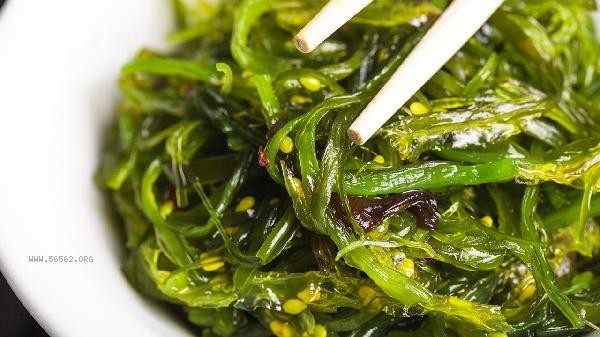
Seaweed soaked overnight can usually be consumed if it does not spoil, but it needs to be refrigerated and thoroughly reheated. Kelp is rich in iodine and dietary fiber, but prolonged soaking or improper storage may lead to nutrient loss or bacterial growth. After soaking, if the kelp is sealed and stored under refrigeration conditions, the texture and flavor changes little overnight, and it can still be safely consumed. The refrigeration temperature should be controlled below 4 degrees Celsius, and the recommended storage time should not exceed 24 hours. Before consumption, observe for signs of spoilage such as increased mucus and odor, and rinse with running water before cooking at high temperature for at least 3 minutes. The active ingredients such as alginate in kelp may partially dissolve due to prolonged soaking, but minerals and vitamins can still be retained. Storing kelp at room temperature for more than 4 hours poses a high risk, as warm environments can accelerate microbial growth. Especially for seaweed that has been cut or seasoned, it is more prone to spoilage and may have a sour taste or a sticky surface. When some people have weak gastrointestinal function, consuming improperly stored overnight kelp may cause abdominal pain and diarrhea. It is recommended to soak and eat immediately during the high temperature season in summer. If overnight storage is needed, a small amount of vinegar can be added to inhibit bacteria. As a high iodine ingredient, kelp should be consumed overnight to control the total amount and avoid excessive iodine intake. Patients with thyroid diseases should consult a physician for advice. Daily advice is to soak seaweed in batches according to the amount consumed. Unused dried seaweed can be stored in a cool and dry place for a long time. When cooking, it can be paired with sterilized ingredients such as garlic and ginger, which can enhance flavor and reduce microbial risk.










Comments (0)
Leave a Comment
No comments yet
Be the first to share your thoughts!