
Skipping rope at night can generally help with weight loss, but it needs to be combined with exercise intensity and dietary control. Jump rope is a high-intensity intermittent exercise that can effectively increase heart rate and burn calories. Adults jump rope continuously at a speed of 120-140 times per minute for 10 minutes, which consumes the same amount of calories as jogging for 30 minutes. Muscle contraction during exercise activates glycogen breakdown and fat oxidation processes, especially 2 hours after dinner, which helps reduce nighttime fat accumulation. Skipping rope has a significant exercise effect on lower limb muscle groups, which can simultaneously enhance cardiovascular function and muscle endurance. Long term persistence can improve basal metabolic rate. The afterburning effect generated after exercise can cause the body to continuously consume energy while at rest, and this metabolic boost typically lasts for 4-12 hours. Skipping rope on an empty stomach may cause hypoglycemic reactions. It is recommended to supplement carbohydrates in moderation before exercise. For those with knee joint injuries or excessive body weight, continuous jumping may increase joint burden. Late nighttime exercise may affect melatonin secretion, and it is recommended to end exercise 2 hours before bedtime. Failure to replenish water and protein in a timely manner after exercise may reduce muscle repair efficiency. Indoor skipping rope requires attention to ground anti-skid and spatial height to avoid sports injuries.
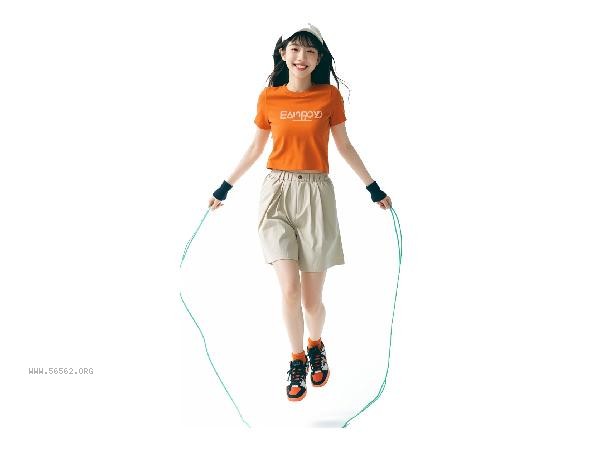
It is recommended to jump rope 4-5 times a week, with a duration of 20-40 minutes per jump. A group interval mode can be adopted, such as jumping for 2 minutes and resting for 1 minute. Perform 5-minute dynamic stretching before and after exercise, and pair it with a high protein and low-fat diet for better results. The recommended rate of weight loss is 0.5-1 kilogram per week, as losing weight too quickly may cause muscle loss. If you experience discomfort such as knee pain or dizziness, you should immediately stop exercising and consult a doctor.










Comments (0)
Leave a Comment
No comments yet
Be the first to share your thoughts!