
Rose tea can be refrigerated, but it needs to be sealed and moisture-proof, and should not be stored for a long time. Short term refrigeration can delay the volatilization of aroma, but low temperatures may cause petals to discolor or absorb odors.
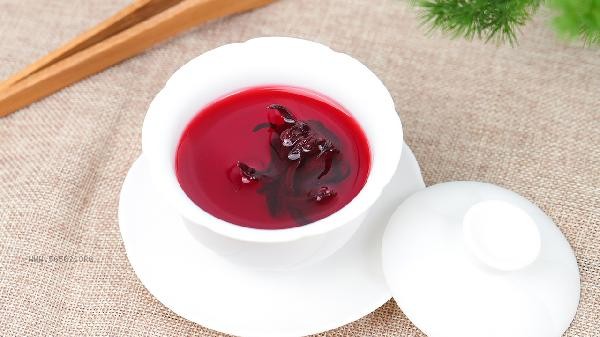
When refrigerating rose tea, it is necessary to use a sealed jar or food bag to isolate water vapor and avoid moisture and spoilage. The humidity inside the refrigerator is high, and the petals are prone to mold or clumping after absorbing moisture. It is recommended to consume them within one week. The refrigeration temperature should be controlled at 4-8 ℃. After taking it out, it should be allowed to stand at room temperature before brewing to avoid alternating cold and hot temperatures that may cause the petals to become soft and rotten. If the tea soup is found to be cloudy or sour, it should be discarded immediately.
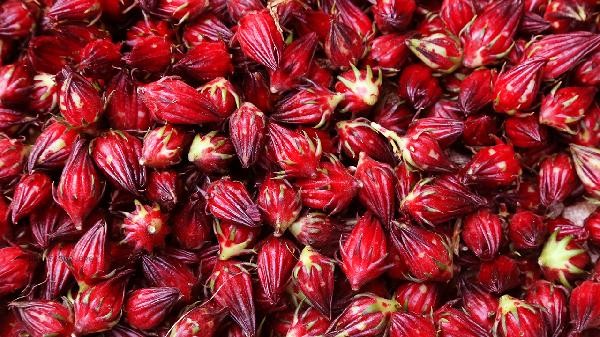
In special circumstances such as high temperature and humid environments, temporary refrigeration can extend the shelf life. However, repeated use from the refrigerator can accelerate oxidation, and the polyphenolic substances in the petals are prone to react with condensed water, resulting in a darker color of the tea soup. Some petal varieties that are sensitive to low temperatures may experience frostbite, manifested as edge browning or transparency, and refrigeration is not recommended for such situations.
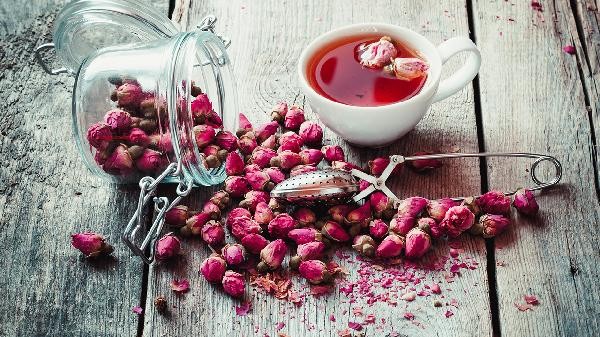
It is recommended to store rose tea in a cool, dark place and seal it in a ceramic or dark glass container for daily use. Before drinking, check if the petals are intact and dry. Brewing with honey or goji berries can enhance the flavor. People with weak constitution and cold constitution can add two slices of ginger when drinking refrigerated flower tea to balance the cold nature. It is recommended that women during menstruation and those with gastrointestinal sensitivity drink it at room temperature.








Comments (0)
Leave a Comment
No comments yet
Be the first to share your thoughts!