
It is usually not recommended to continue consuming rice after it has slightly moldy. Mold growth may produce harmful substances such as aflatoxins, and even if there are few visible mold spots, the toxins may spread throughout the entire batch of rice. The metabolites of mold in moldy rice may cause damage to organs such as the liver and kidneys, and long-term intake may increase the risk of cancer. Slightly moldy rice cannot completely destroy toxins even after high-temperature cooking. Washing or removing moldy parts can only reduce surface pollution and cannot ensure safety. Especially for children, pregnant women, the elderly, and immunocompromised individuals, the risk of consuming moldy rice is higher. If the storage environment is humid or the temperature is too high, rice may have already grown mold before obvious mold spots appear. It is recommended to store rice in a cool and dry place, and use a sealed container to isolate it from air and moisture. When purchasing, choose small packages of rice and consume them within the shelf life to avoid long-term hoarding. After discovering mold, the entire batch should be discarded and should not be consumed by chance.
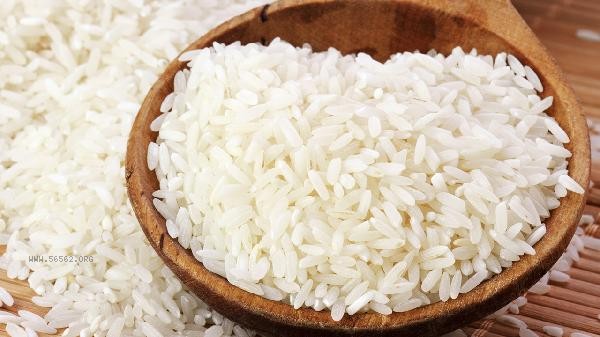
It is important to pay attention to the freshness of ingredients in daily diet, as moldy foods may cause acute gastroenteritis or chronic health hazards. It is recommended to regularly check the storage of grains at home, prioritize purchasing rice that is vacuum packed or nitrogen filled for preservation, and consume it as soon as possible after opening. If you experience symptoms such as abdominal pain and vomiting after ingesting moldy rice, you should seek medical attention promptly and inform the doctor of your dietary history.








Comments (0)
Leave a Comment
No comments yet
Be the first to share your thoughts!