
It is usually not recommended to continue consuming rice after it has become moldy. Moldy rice may contain harmful substances such as aflatoxins, and long-term intake can increase health risks. The appearance and odor of moldy rice may undergo significant changes, with green, black, or gray mold spots appearing on the surface, accompanied by a damp, sticky, or pungent moldy smell. The aflatoxin produced during the process of mold growth is resistant to high temperatures, and ordinary cooking cannot completely destroy its toxicity. Eating moldy rice by mistake may cause acute gastroenteritis, with symptoms such as abdominal pain, diarrhea, and vomiting. Long term low-dose intake may cause chronic damage to the liver. The main causes of rice mold growth are damp environment, high temperature, or damaged packaging caused by improper storage. It is recommended to store the rice in a cool and dry place and seal it. If the rice only has slight mold growth in a local area and the mold growth time is short, it may be considered to completely remove the moldy part and cook it at high temperature, but there is still a risk of residual toxins. Pregnant women, children, the elderly, and immunocompromised individuals should absolutely avoid consuming any moldy rice. Choose small packages of rice for daily purchases, consume them as soon as possible after opening, and store them in sealed containers to effectively prevent mold growth. If signs of mold are found, they should be discarded in a timely manner to avoid endangering health due to small losses.
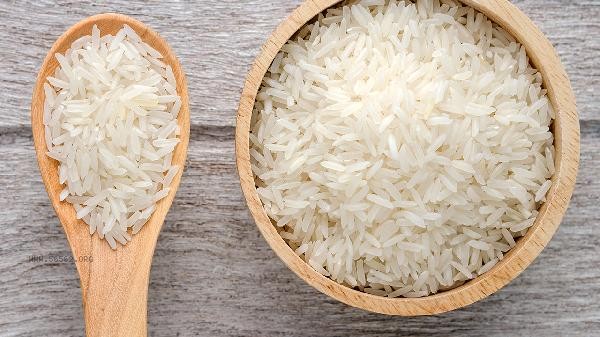
It is necessary to regularly check the rice tank or rice bag in daily life, maintain a ventilated and dry storage environment, and place food grade desiccants in containers. Eating mixed grains in rotation can not only enrich nutrition, but also reduce the risk of mold growth in individual grains. If you experience persistent discomfort after ingesting moldy rice, you should seek medical attention promptly for liver function tests and other related examinations.








Comments (0)
Leave a Comment
No comments yet
Be the first to share your thoughts!