
If the rice is cooked too wet, it can be steamed again, which can effectively reduce moisture and improve taste through secondary steaming.
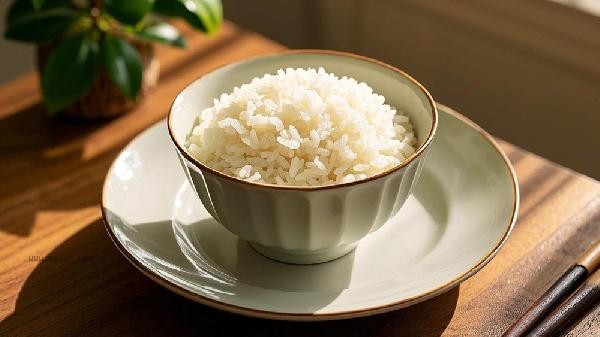
Spread the excessively wet rice flat in a steamer or plate, ensuring even thickness and avoiding accumulation. After boiling the water in the steamer, add rice and steam over medium heat for 5 to 8 minutes, using steam to remove excess water. During the steaming process, you can flip the rice once to make the water evaporate more evenly. This method is particularly suitable for situations where the water volume is not properly controlled when cooking with an electric rice cooker, and can save the texture of soft and rotten rice. If the rice is not only too wet but also clumps or becomes sticky, it is recommended to use chopsticks to disperse the rice grains before steaming. Some rice varieties with high starch content, such as glutinous rice, may become more viscous after secondary steaming. At this time, a small amount of dry rice can be mixed to adjust the texture. Please note that re steaming will accelerate starch aging. It is recommended to consume it as soon as possible after steaming to avoid repeated heating that may affect digestion and absorption.
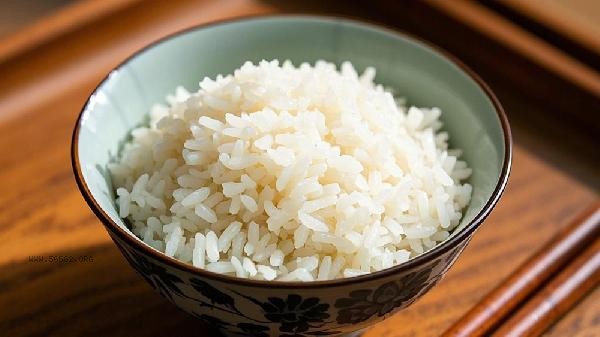
It is recommended to use a golden ratio of rice to water of 1:1.2 for daily cooking, and the amount of water can be appropriately reduced for new rice. Steamed rice can be paired with high dietary fiber vegetables such as broccoli and mushrooms to help slow down blood sugar levels. People with weak gastrointestinal function should control the amount of rice steamed twice to avoid increasing digestive burden.









Comments (0)
Leave a Comment
No comments yet
Be the first to share your thoughts!