
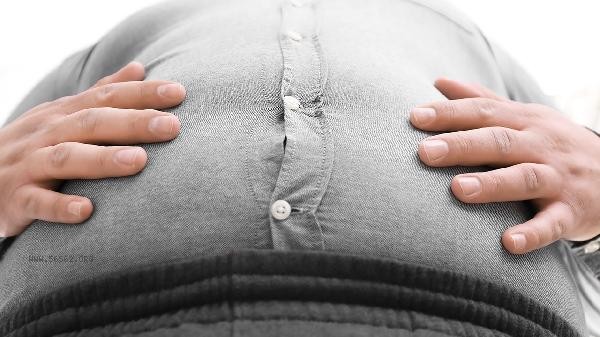
Removing dampness may have an auxiliary weight loss effect on some people with heavy dampness, but relying solely on dampness removal cannot achieve significant weight loss effects. Heavy dampness may be related to metabolic disorders, edema, and other factors, and weight loss needs to be achieved by consuming more calories than intake. In traditional Chinese medicine theory, dampness is often manifested as symptoms such as fatigue and weakness, thick and greasy tongue coating, and sticky stool. This group of people may improve metabolic efficiency and reduce edema induced obesity through dampness elimination and regulation. For example, methods such as red bean coix seed water and sweating through exercise can promote water metabolism, which may lead to weight loss in the short term, but the main reduction is in water rather than fat. If the problem of dampness is related to spleen deficiency, improving digestion and absorption function after strengthening the spleen and eliminating dampness may indirectly reduce fat accumulation caused by low metabolism.

However, the core mechanism of obesity is long-term calorie excess. Simply removing dampness without controlling diet and increasing exercise cannot sustain the consumption of fat. Although some dampness dispelling herbs such as Alisma and Poria have diuretic effects, excessive use may lead to electrolyte imbalance. Obese individuals with a BMI exceeding 24 in clinical practice still require scientific dietary management and aerobic exercise as the main focus, with moisture regulation only as an auxiliary measure.

It is recommended that individuals with heavy dampness and overweight adopt a comprehensive intervention: exercise such as brisk walking or swimming for more than 30 minutes a day to help sweat and dispel dampness; Reduce high sugar and high-fat intake in diet, and consume moderate amounts of spleen strengthening and dampness promoting ingredients such as yam and winter melon; Avoid prolonged exposure to humid environments. If there is no significant change in weight or accompanied by obvious edema, pathological factors such as hypothyroidism and renal dysfunction should be investigated.








Comments (0)
Leave a Comment
No comments yet
Be the first to share your thoughts!