
Pure milk can be mixed with hot water to drink, but the water temperature should not be too high. The protein and vitamins in milk may be destroyed at high temperatures. It is recommended to control the water temperature below 50 degrees Celsius when mixing hot water with milk. When milk is mixed with warm water for drinking, the water temperature close to body temperature is more conducive to nutrient absorption. Lactose, calcium and other components in milk have higher solubility in a warm state, and drinking warm milk can reduce discomfort for people with weaker gastrointestinal function. However, it is necessary to avoid using boiling water for direct mixing, as high temperatures can cause whey protein to denature and clump, affecting taste and digestibility. In daily life, milk can be heated to a suitable temperature over water, or poured into warm water first and then slowly mixed with milk.
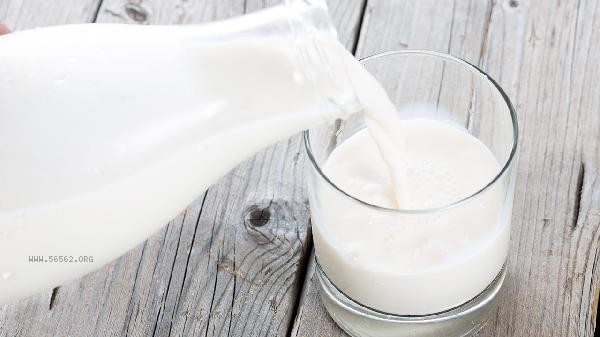
In some special cases, caution should be exercised when mixing hot water with milk. People with lactose intolerance who drink warm milk may still experience bloating, and low lactose milk can be used as a substitute. If there is layering or flocculent material during the heating process, it may be due to protein denaturation or milk spoilage, and drinking should be stopped. When brewing milk powder, it is recommended to use warm water according to the packaging instructions to avoid high temperatures damaging the added probiotics and other active ingredients.
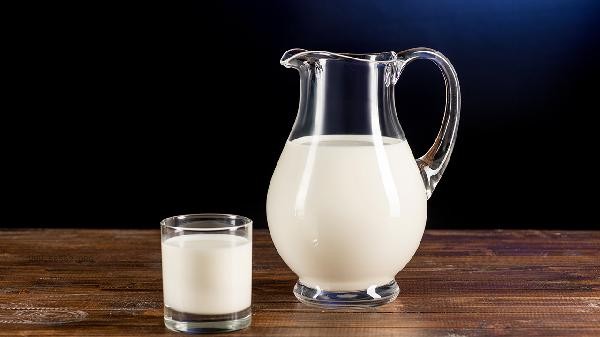
When drinking milk, it is recommended to choose pasteurized refrigerated fresh milk and consume it as soon as possible after opening. Paired with whole wheat bread, oats, and other foods can delay lactose absorption and reduce gastrointestinal irritation. The daily intake of dairy products should be controlled at around 300 milliliters, as excessive intake may increase metabolic burden. The elderly and children can add a small amount of honey to taste warm milk, but diabetes patients must avoid adding sugar. If allergic symptoms such as rash and vomiting occur after drinking, seek medical attention promptly to investigate the possibility of milk protein allergy.









Comments (0)
Leave a Comment
No comments yet
Be the first to share your thoughts!