
Pure milk can be heated and consumed, but it is important to control the temperature to avoid nutrient loss. The heating temperature should not exceed 60 degrees Celsius, boiling can cause protein denaturation and partial vitamin damage.
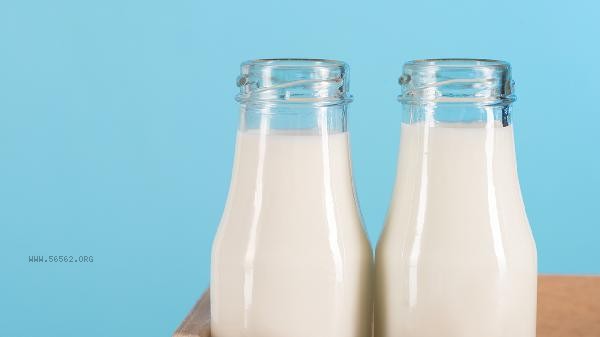
Low temperature heating is a safer method. Heat the milk over water until it is warm and ready to drink. This method can preserve the core nutrients such as calcium and high-quality protein in milk, while avoiding the adverse taste caused by lactose coking. Pasteurized milk itself undergoes heat treatment, and only needs to reach the appropriate drinking temperature during secondary heating, without the need for prolonged high-temperature treatment. For lactose intolerant individuals, warm milk may be easier to digest and absorb than cold drinks.
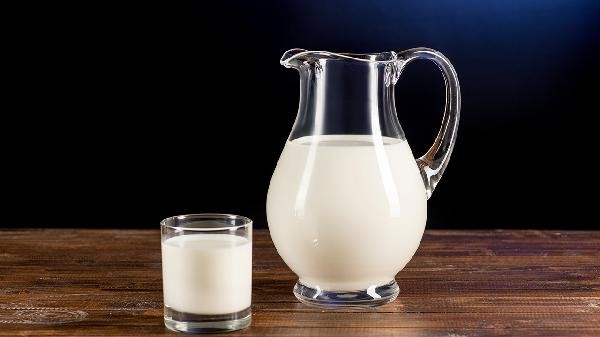
High temperature boiling can cause partial loss of water-soluble vitamins such as vitamin B in milk, and coagulation of whey protein may affect absorption rate. Repeated heating can also lead to the inactivation of active substances such as lactoferrin in milk. Some special groups of people, such as infants and young children, need to ensure that they drink heated milk immediately after heating to avoid prolonged exposure and bacterial growth. When using a microwave oven for heating, attention should be paid to stirring to prevent uneven heating.
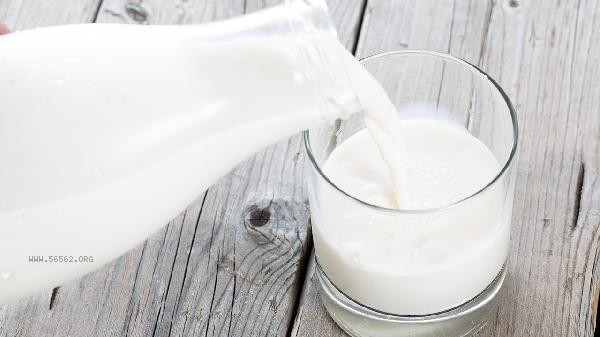
It is recommended to use the water-resistant heating method to control the temperature, and the heated milk should be consumed as soon as possible. Before heating refrigerated milk, it can be left to stand at room temperature to reduce the temperature difference. When paired with grains, milk can be heated separately and poured in to avoid nutrient loss caused by prolonged co cooking with grains. When choosing fresh milk with a shorter shelf life, if not consumed after heating, it should be refrigerated and consumed within 24 hours.








Comments (0)
Leave a Comment
No comments yet
Be the first to share your thoughts!