
It is usually not recommended to drink Pu erh tea after it has become moldy. Moldy Pu'er tea may contain harmful substances such as aflatoxins, and long-term intake may cause damage to the liver. If Pu'er tea is damp or the environmental humidity is too high during storage, white, green, or black mold spots may appear on the surface, indicating a qualitative change inside the tea leaves. Moldy tea leaves will emit a pungent odor, the tea soup will be cloudy and have a sour taste, and the effective ingredients may be destroyed while also breeding pathogenic bacteria. When mild mold growth is limited to the surface, you can try removing the moldy part and steaming at high temperature, but it cannot completely remove the risk of toxins. Some traditional Pu erh teas naturally produce white mycelium, which belongs to the beneficial bacterial community during fermentation and is fundamentally different from mold growth. This type of tea usually has evenly distributed white spots, a pure and odorless tea aroma, and a transparent soup color after brewing. But if the type of mold cannot be accurately determined, it is still recommended to discard it to avoid health hazards.
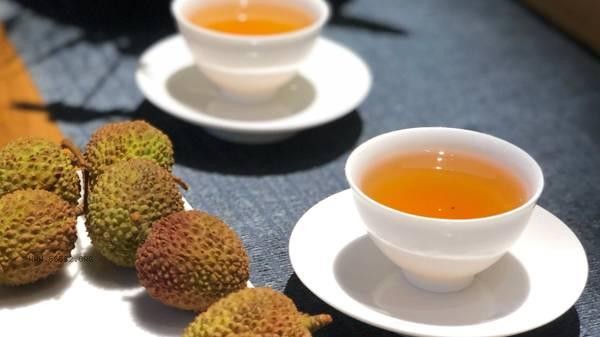
Pu erh tea should be stored in a dry and ventilated environment, avoiding direct sunlight. It can be stored in sealed purple clay jars or kraft paper bags. Regularly check the condition of tea leaves and air dry them promptly if they become damp. Pay attention to the appearance and aroma of tea before drinking. Moldy tea leaves cannot eliminate toxins even when brewed at high temperatures. Do not harm your health by conserving resources. If symptoms such as abdominal pain and diarrhea occur after accidentally drinking moldy tea, seek medical attention immediately for examination.








Comments (0)
Leave a Comment
No comments yet
Be the first to share your thoughts!