
Pu erh tea can be brewed with water at 80 degrees Celsius, but it is recommended to adjust the water temperature according to the type of tea leaves. Freshly brewed Pu is suitable for stimulating aroma with water at 90-95 degrees Celsius, while aged Pu can fully release its aged flavor with boiling water. A water temperature of 80 degrees Celsius is more suitable for tender tea or reducing bitterness. Brewing Pu erh tea at a water temperature of 80 degrees Celsius can reduce the rapid precipitation of tea polyphenols and caffeine, lower the bitterness of the tea soup, and is particularly suitable for people with sensitive digestive systems. This temperature can slow down the tea leaves and make the tea soup taste sweeter, but the release of aroma substances is not sufficient. It is recommended to extend the soaking time to 20-30 seconds appropriately. Please note that the compressed tea should be moistened for 10 seconds before being brewed with 80 degree water. Although high-temperature brewing can quickly stimulate the internal substances of Pu'er tea, 80 degrees Celsius water temperature has less damage to the cell structure of tea leaves and can retain more active ingredients. Old tea heads or aged Pu erh require boiling water to break down clumps, while palace grade Jin Ya can avoid scalding tender leaves with 80 degree water. Pu erh tea from different years and techniques has significant differences in its adaptability to water temperature, and ripe Pu erh tea fermented in a pile is often more resistant to high temperatures than raw Pu erh tea.
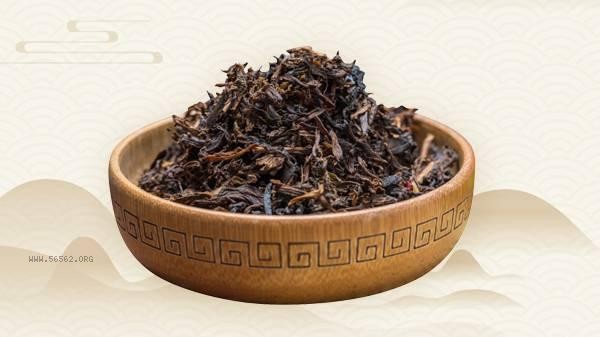
When brewing Pu'er tea, it is recommended to first understand the characteristics of the tea leaves. Loose tea is more likely to precipitate substances than cake tea, so it can be slightly cooled. For daily consumption, a thermometer can be used for precise control. If conditions permit, boiling water can be left to stand for 2 minutes until it reaches approximately 85 degrees Celsius. Paired with a purple clay teapot or a covered bowl for brewing, the first two bubbles quickly release the soup to avoid prolonged soaking, and the third bubble is gradually extended for 10 seconds. When storing, pay attention to avoiding light and moisture to prevent odors from affecting the purity of the tea soup.








Comments (0)
Leave a Comment
No comments yet
Be the first to share your thoughts!