
It is usually not recommended to continue drinking Pu'er tea if it has a moldy taste. The moldy taste may be caused by improper storage leading to mold growth or deterioration of the tea itself, posing a health risk. Pu erh tea is prone to moisture and mold in humid, high-temperature, or enclosed environments, producing a pungent moldy taste. This type of tea may contain harmful substances such as aflatoxins, and long-term consumption may damage the liver and cause gastrointestinal discomfort. If the moldy taste is mild and there are no visible mold spots on the tea leaves, you can try to ventilate and air dry before brewing, but the taste and nutritional value have significantly decreased.
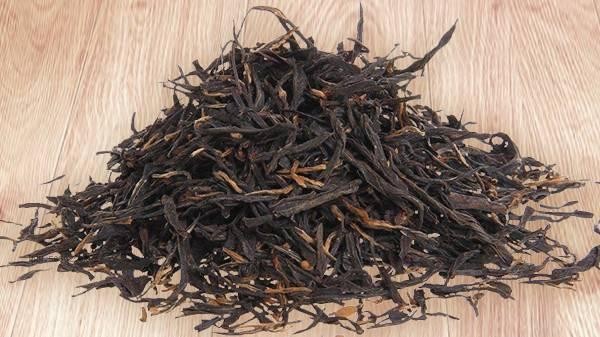
During the natural aging process of some aged teas, a similar earthy aroma may be produced, which is fundamentally different from the moldy taste. professional tea professionals can determine the safety of tea by examining factors such as the color of the dried tea and the clarity of the tea soup. But ordinary consumers find it difficult to accurately distinguish, so it is recommended to discard moldy tea leaves directly. Pu erh tea should be stored in a dry and ventilated environment, avoiding mixing with odorous substances, and regularly checking the condition of the tea leaves.
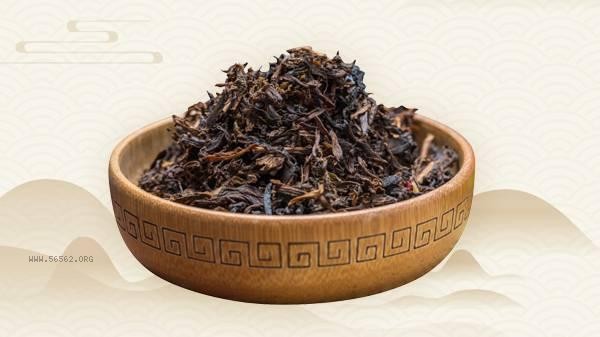
It is recommended to choose regular channels for daily consumption of Pu'er tea and consume it as soon as possible after opening. If signs of mold are found on tea leaves, regardless of the price, drinking should be stopped. When stored, it can be stored in a purple clay jar or food grade sealed bag, and placed in a cool and dark place. Moderate consumption of un spoiled Pu'er tea can help with digestion and lipid-lowering, but moldy tea not only loses its health value, but may also pose a threat to health.








Comments (0)
Leave a Comment
No comments yet
Be the first to share your thoughts!