
Pomegranates can generally be consumed if their flesh has not spoiled after turning brown, but it is recommended to discard them if mold or odor occurs. The browning of pomegranate skin or flesh may be caused by oxidation reactions, low-temperature frostbite, or microbial infections, and should be judged based on specific circumstances. Pomegranate fruit pulp is prone to oxidation reaction upon contact with air, resulting in a brownish color, similar to the discoloration process of apples after being cut open and placed. This type of browning only affects the appearance, and the texture and taste of the fruit pulp can still be safely consumed without significant changes. The browning part can be removed and the remaining fresh fruit flesh can be consumed. It is recommended to consume it as soon as possible to avoid further oxidation. During storage, a small amount of lemon juice can be sprayed to slow down the oxidation rate, or sealed with cling film to isolate the air. If pomegranate undergoes frostbite browning due to low storage temperature, the flesh will appear semi transparent with a water stain and accompanied by a fermented flavor. Frostbite can cause damage to cell structure and increase the probability of bacterial growth. It is not recommended to continue consuming in such cases. When browning is accompanied by mold spots, sour and rotten taste, or when the flesh softens and flows, it indicates that microbial contamination has occurred, which may cause gastrointestinal discomfort when consumed. Complete pomegranates should not be stored at room temperature for more than two weeks. After peeling, they should be refrigerated and consumed within two days.
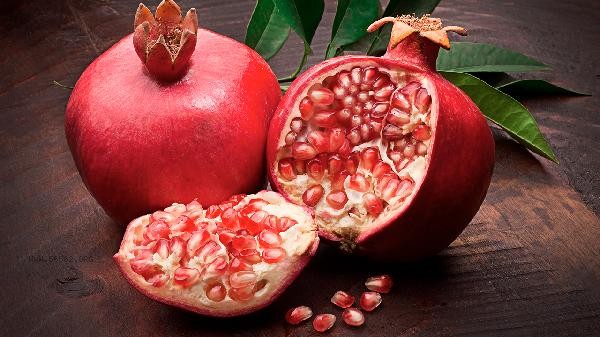
When selecting pomegranates in daily life, you can choose fruits with full skin and fresh stems, and avoid humid environments during storage. Pay attention to the condition of the fruit pulp before consumption. If there is slight browning and no abnormal odor, try a small amount. If any discomfort occurs, stop eating immediately. It is recommended that elderly people and those with weak digestive function prioritize consuming fresh pomegranates, and completely remove the brownish parts before consumption.









Comments (0)
Leave a Comment
No comments yet
Be the first to share your thoughts!