
Plastic wrap cannot help with weight loss. Wrapping plastic wrap may create a false impression of water loss by temporarily increasing local sweating, but it cannot reduce fat and may pose health risks such as skin allergies and folliculitis. When using plastic wrap to wrap the body, the skin surface may experience an increase in local temperature and sweat secretion due to lack of breathability. This type of water loss can cause temporary weight loss, but weight will recover after replenishing water. Fat breakdown needs to be completed through heat consumption and metabolism, and cling film cannot promote this process. Excessive wrapping may also hinder normal skin breathing, induce prickly heat or contact dermatitis, and even lead to dehydration or heatstroke in high temperature environments.
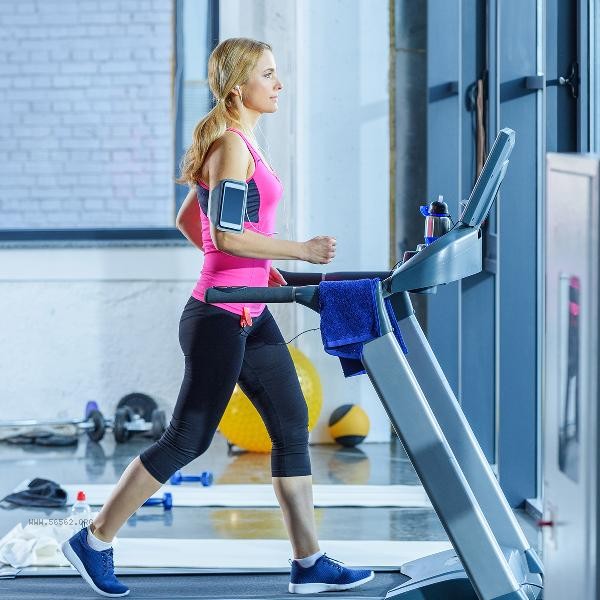
Some people attempt to enhance their body temperature through the use of cling film combined with exercise, but the obstruction of sweat evaporation can interfere with the body temperature regulation mechanism and increase the burden on the heart. Blood circulation accelerates during exercise, and prolonged skin sealing may cause allergic reactions such as itching and redness. If there is skin damage, the risk of bacterial growth significantly increases, and in severe cases, it can trigger folliculitis or cellulitis. Maintaining a balanced diet and regular exercise are the foundation of scientific weight loss. It is recommended to consume an appropriate amount of high-quality protein and dietary fiber daily, such as chicken breast meat, broccoli, etc., in combination with aerobic exercise and strength training. During the weight loss period, it is necessary to ensure daily water intake of 1500-2000 milliliters and avoid extreme dieting or excessive reliance on physical wrapping methods. If there are skin abnormalities or long-term weight changes, it is necessary to consult a nutritionist or endocrinologist in a timely manner.








Comments (0)
Leave a Comment
No comments yet
Be the first to share your thoughts!