
Plastic bottles of milk can be heated in hot water, but attention should be paid to the heat resistance and heating method of the plastic material. Common milk plastic bottles are mostly made of polyethylene or polypropylene materials. Short term low-temperature heating is usually safe, but high temperature or prolonged heating may cause harmful substances to precipitate. The heat-resistant temperature of polyethylene plastic bottles is generally below 70 degrees Celsius, and they are suitable for heating with 50-60 degrees Celsius water in isolation. Before heating, it is necessary to confirm whether the triangular recycling label at the bottom of the bottle is made of PP material No. 5, which has good heat resistance. When heating, the water level should not exceed the bottle cap to avoid deformation of the plastic bottle mouth due to heat. The warming time should be controlled within 5 minutes, during which the bottle can be shaken to ensure even heating. It is not recommended to directly boil or microwave heat plastic bottled milk, as high temperatures can accelerate the decomposition of plastic molecules. Some special plastic bottles may contain ingredients such as bisphenol A, which poses a risk of migration at high temperatures. It is recommended for infants and young children to use glass containers for heating over water. If the plastic bottle is deformed, whitened, or has an odor, it should be immediately stopped from use. Lactose intolerant individuals should be aware that high temperatures may exacerbate gastrointestinal discomfort, and it is advisable to keep the temperature around 40 degrees Celsius.
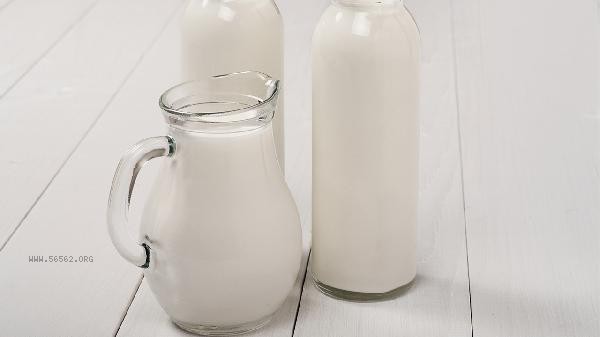
For daily heating of milk, stainless steel or glass containers should be preferred to avoid repeatedly using the same plastic bottle for heating. Pay attention to the heat-resistant temperature indicated on the packaging when purchasing. After taking out the refrigerated milk, let it stand for a moment and then heat it up to reduce the impact of temperature differences on the plastic. Special groups such as pregnant women and children are recommended to use food grade plastic bottles labeled as heatable, or switch to safer ceramic containers for warming.








Comments (0)
Leave a Comment
No comments yet
Be the first to share your thoughts!