
It is not recommended to directly heat plastic bottles of milk with boiling water, as high temperatures may cause the release of harmful substances or deformation of the plastic. Milk can be heated by water or microwave for a short period of time to avoid direct contact of plastic bottles with high temperatures. Plastic bottles may release trace amounts of plasticizers and other chemicals in high-temperature environments, and long-term ingestion may pose potential health risks. The PET material commonly used for milk packaging has a heat resistance temperature of generally below 70 degrees Celsius, and beyond this temperature, the bottle may soften and deform. The temperature of boiling water is close to 100 degrees Celsius, and pouring it directly into a plastic bottle can cause uneven heating of the bottle body, and local high-temperature areas may accelerate the migration of plastic molecules. Some plastic bottle inner wall coatings may also dissolve at high temperatures, affecting the taste and safety of milk.
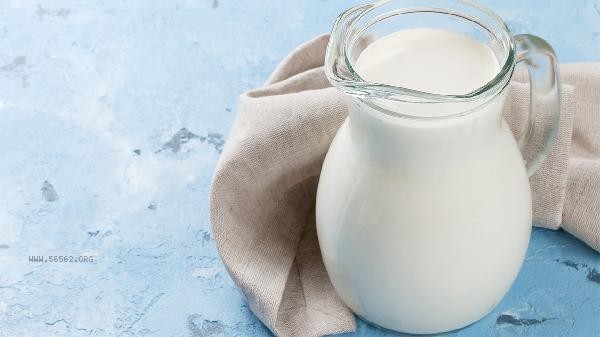
In special circumstances where plastic bottles must be used for heating, it is necessary to ensure that the bottom of the bottle is labeled with a high-temperature resistance label and the heating time does not exceed 30 seconds. However, there are still risks associated with such operations, such as the possibility of bacterial growth due to aging and cracking of plastic bottles after repeated heating. Some countries have explicitly replaced plastic products with glass or ceramic containers for storing high-temperature liquids. Infants and young children should avoid heating plastic bottles when drinking milk, as their metabolic system is more sensitive to chemicals.
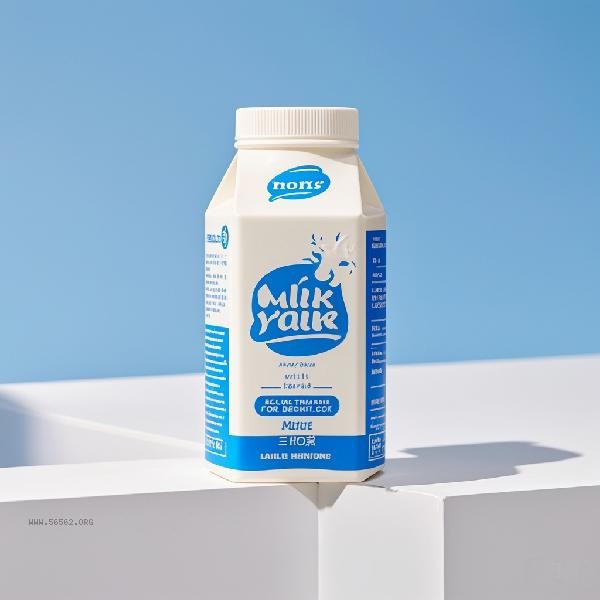
It is recommended to pour the milk into a heat-resistant glass or ceramic bowl and heat it with water in between. The temperature should be controlled at around 60 degrees Celsius before drinking. Choosing a stainless steel milk pot for low heat heating can avoid nutrient loss, and continuous stirring is required during the heating process to prevent conjunctiva. After removing the refrigerated milk, let it stand at room temperature and then heat it up to reduce the impact of sudden temperature changes on the container. Daily storage of milk should be kept away from direct sunlight and high temperature environments, and should be consumed as soon as possible after opening.








Comments (0)
Leave a Comment
No comments yet
Be the first to share your thoughts!