
It is not recommended to directly scald milk in plastic bottles with hot water, as high temperatures may cause harmful substances or deformation of the plastic. Milk can be heated separately or poured into a heat-resistant container.
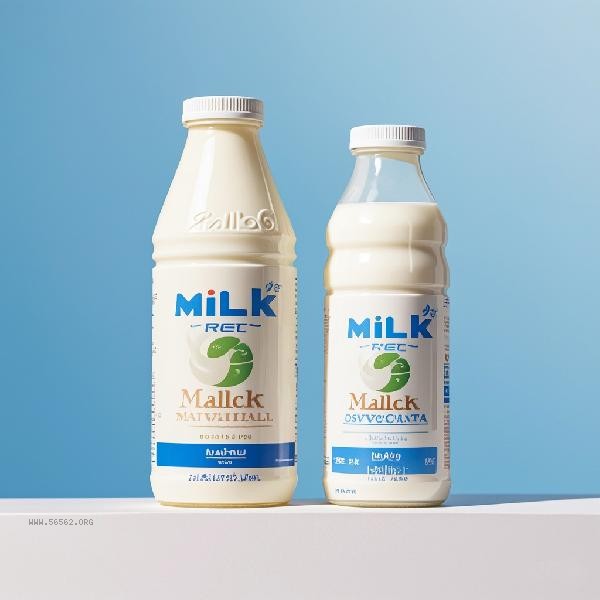
Commercial plastic bottles are mostly made of PET or HDPE materials. Short term contact with warm water is usually safe, but prolonged exposure to high temperatures may accelerate the precipitation of plasticizers in the plastic. The heat-resistant temperature of PET material is generally below 70 degrees Celsius, and beyond this temperature, the bottle body may soften and deform. The fat content in milk may promote the migration of plastic molecules, and the risk is higher in high-temperature environments. Some plastic bottles contain components such as bisphenol A, which poses potential health hazards at high temperatures. Choosing food grade PP material for baby bottles is relatively safer, but it is still not recommended to boil them directly. In special circumstances where rapid heating is required, the plastic bottle can be briefly soaked in water below 50 degrees Celsius to avoid the bottle mouth coming into contact with hot water. Some high-temperature resistant plastic bottles are labeled to withstand temperatures up to 100 degrees Celsius, but long-term repeated heating can still reduce material stability. Analysis of the nutritional composition of milk shows that it may occur simultaneously with the deterioration of plastic materials, and heat sensitive nutrients such as vitamin B12 are prone to loss.
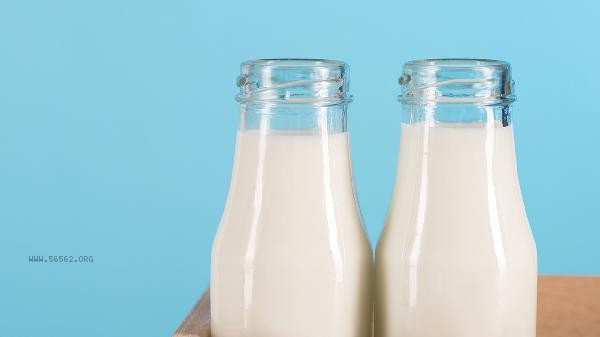
It is recommended to pour milk into a glass or ceramic bowl and heat it with water, keeping the water temperature below 60 degrees Celsius. Microwave heating requires the use of specialized microwave containers to avoid direct heating of plastic packaging. After removing the refrigerated milk, let it stand at room temperature and then heat it up to reduce the impact of sudden temperature changes on the plastic. Pay attention to the temperature resistance label on the packaging. It is recommended to prioritize sterile paper box packaging products for infants and young children.








Comments (0)
Leave a Comment
No comments yet
Be the first to share your thoughts!