
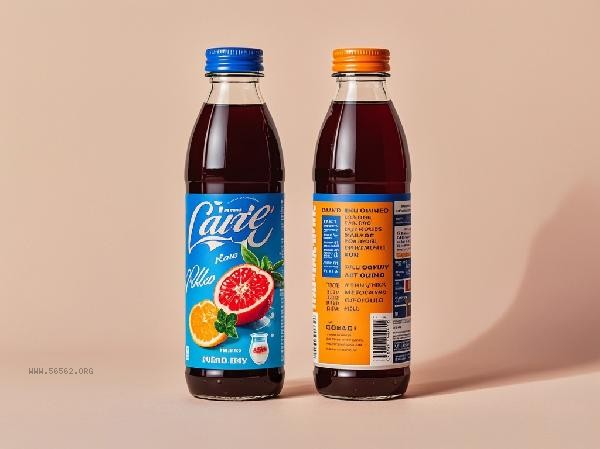
Plastic bottle beverages are generally not recommended to be heated, as high temperatures may cause the plastic to release harmful substances or deform. Some high-temperature resistant plastic bottles can be heated for a short period of time under specific conditions, but must strictly follow the product labeling. Most beverage bottles on the market are made of PET material, with a heat resistance temperature typically not exceeding 70 degrees Celsius. During heating, chemicals such as plasticizers and stabilizers in plastics may migrate into beverages, posing health risks if ingested for a long time. Microwave heating is more likely to cause local overheating and accelerate plastic decomposition. The polypropylene material with the number 5 inside the triangular recycling mark on the bottle body is relatively heat-resistant, but repeated heating will still reduce safety. Specially designed baby bottles or containers labeled "microwave heatable" have undergone heat resistance testing and have a low risk of short-term heating. New materials such as military grade TRITAN have a heat resistance of over 100 degrees Celsius, but such materials are rarely used in daily beverage bottles. Before heating, it is necessary to confirm the heat-resistant label on the bottom of the bottle to avoid exceeding the recommended temperature and time. When hot drinks are needed, it is recommended to pour the liquid into heat-resistant containers such as glass or ceramics and heat them up. refrigerated beverages can be slowly reheated in warm water to avoid plastic contact with high temperatures. When purchasing, choose environmentally friendly materials that do not contain bisphenol A. If the bottle body deforms or emits an odor after heating, stop using it immediately. Special groups such as pregnant women and children should avoid drinking liquids heated in plastic bottles to reduce potential health risks.









Comments (0)
Leave a Comment
No comments yet
Be the first to share your thoughts!