
The pesticide residues on the surface of vegetables can be partially removed by washing with warm water, but the effect is limited. The removal effect of pesticide residues is mainly related to factors such as pesticide type, attachment time, and cleaning method.
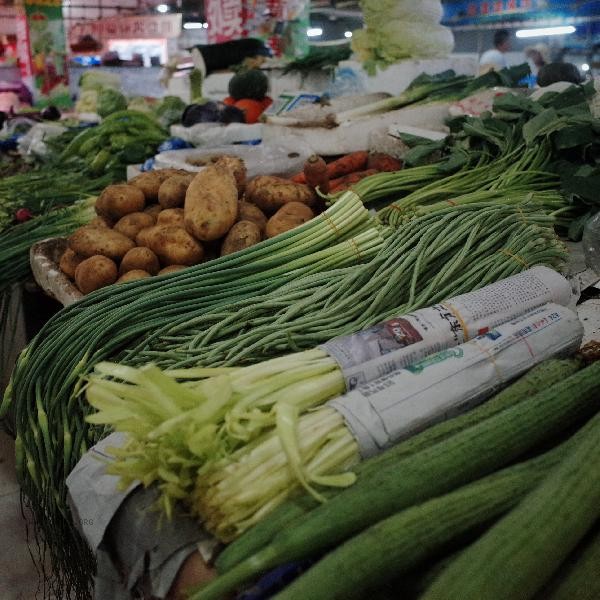
Warm water can dissolve some fat soluble pesticides and promote the diffusion of water-soluble pesticides. When the water temperature is controlled at 40-50 degrees Celsius, the removal rate of some organophosphorus pesticides is higher than that of cold water. Cooperating with the scrubbing action can destroy the adhesion structure of pesticides on the surface of vegetables. However, high temperatures may cause the rupture of vegetable cells and instead promote the penetration of pesticides into the interior, so it is not recommended to use hot water above 60 degrees Celsius. Some highly permeable internal suction pesticides can enter the interior of vegetable tissues, and rinsing with warm water can only remove surface residues. Systemic pesticides such as imidacloprid have been absorbed during crop growth and are difficult to remove with regular cleaning. This type of pesticide residue requires more thorough treatment methods such as peeling and blanching. Experiments have shown that blanching after soaking can additionally remove some internally absorbed pesticides.
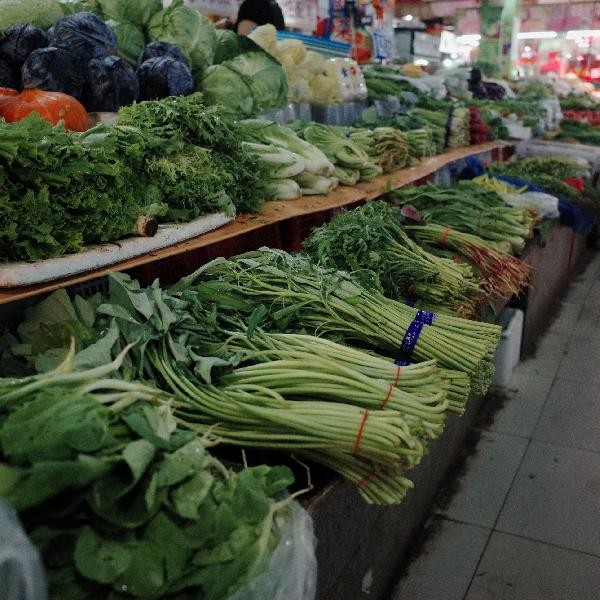
It is recommended to use comprehensive methods such as rinsing with running water, soaking in baking soda water, and peeling to reduce the risk of pesticide residues. Leafy vegetables need to be washed leaf by leaf, and root and stem vegetables are recommended to be eaten after peeling. Purchasing organic vegetables or agricultural products that have undergone pesticide degradation can reduce the risk of ingestion from the source. Pay attention to diversifying the intake of different varieties of vegetables in daily life and avoid the accumulation of pesticides in a single agricultural product.








Comments (0)
Leave a Comment
No comments yet
Be the first to share your thoughts!