
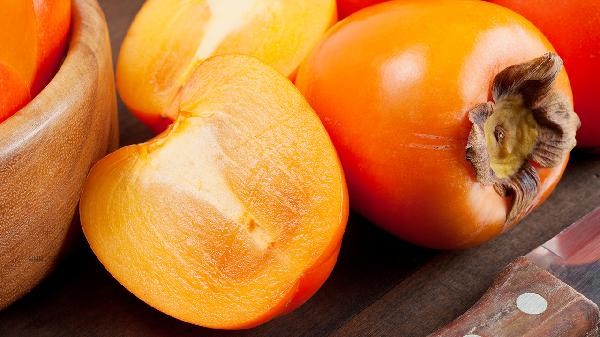
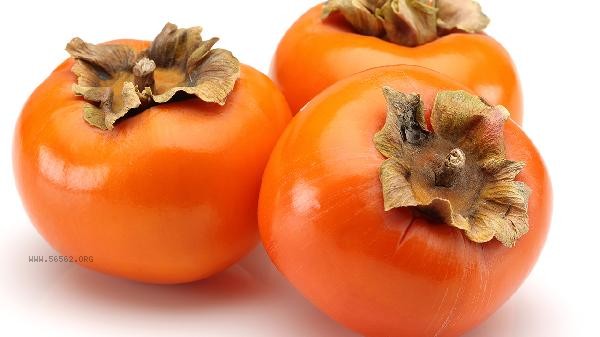
It is generally not recommended to eat persimmons directly after picking them. Immature persimmons contain a lot of tannic acid, which may cause gastrointestinal discomfort. Fully ripe soft persimmons or hard persimmons that have undergone astringency treatment can be consumed directly. Persimmons are divided into two categories: sweet persimmons and astringent persimmons. Sweet persimmons naturally remove their astringency on trees and can be consumed directly after maturity. The flesh is soft, glutinous, and sweet. The common persimmons in China are astringent, which contain a large amount of soluble tannic acid when first harvested. When combined with saliva proteins in the mouth, they can produce a strong astringency. Eating these persimmons directly may irritate the gastrointestinal mucosa, causing discomfort symptoms such as bloating and abdominal pain. Traditional methods for removing astringency include soaking in warm water, sealing with alcohol, or storing together with fruits such as apples and bananas, using ethylene ripening to break down tannic acid. Some special varieties of sweet persimmons, such as rich persimmons and Jiro persimmons, have extremely low tannic acid content after maturity and can be harvested from trees for consumption. A simple way to determine whether persimmons can be eaten directly is to observe the condition of the fruit stem. The fully ripe persimmon stem is dry and lifted, and the skin is semi transparent with elasticity when lightly pinched. If you accidentally consume persimmons that have not become astringent, you can drink an appropriate amount of warm water to dilute the concentration of tannic acid. If you experience serious discomfort, seek medical attention promptly.
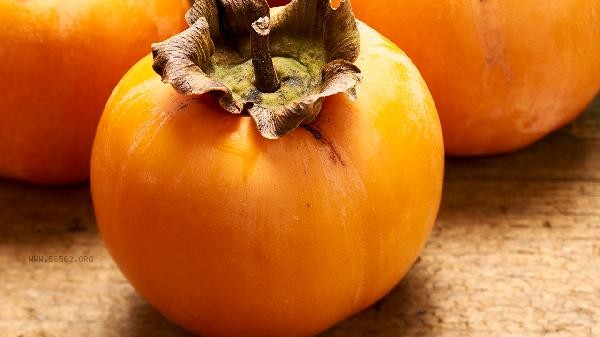
It is recommended to place newly picked astringent persimmons in a well ventilated area for natural ripening, or to use rice burial method to accelerate astringency removal. Avoid fasting period when eating, and control the daily intake within 200g. diabetes patients should reduce consumption. When storing, be careful to avoid squeezing. Mature persimmons should be refrigerated and consumed within 3 days. Persimmon skin has a high content of tannic acid, and it is recommended to remove the skin and consume it regardless of whether it is astringent. Avoid eating it with high protein foods to prevent the formation of gastric persimmon stones.








Comments (0)
Leave a Comment
No comments yet
Be the first to share your thoughts!