
Persimmons can be cooked and eaten, as cooked persimmons have a softer and more chewy texture and help reduce tannin content. Raw persimmons contain a high amount of tannic acid, which may stimulate the gastrointestinal tract when consumed directly. However, the heating process can break down some tannins, reduce astringency, and improve digestive safety. After heating, the pectin components in the flesh of fresh persimmons will fully dissolve, forming a dense texture that is suitable for making persimmon sauce, persimmon soup, or stewing with other ingredients. Traditional Chinese medicine believes that ripe persimmons have the effect of moistening the lungs and stopping cough, especially suitable for consumption during the dry seasons of autumn and winter. When cooking, it is recommended to remove the skin and cut it into pieces. Mix with ingredients such as Tremella fuciformis and rock sugar and simmer over low heat to preserve nutrients and enhance flavor.
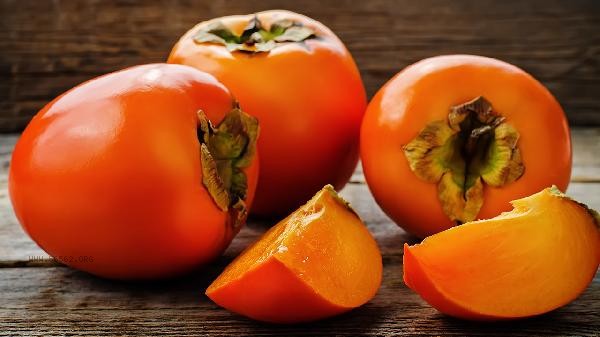
Immature astringent persimmons must be cooked and consumed, as their high tannin content may cause discomfort such as tongue numbness and bloating when eaten directly. But fully ripe sweet persimmons can be eaten fresh directly, and if cooked, they may lose some heat sensitive nutrients such as vitamin C. Special groups such as diabetes patients need to control their intake, because the sugar in persimmons will be concentrated during the cooking process.
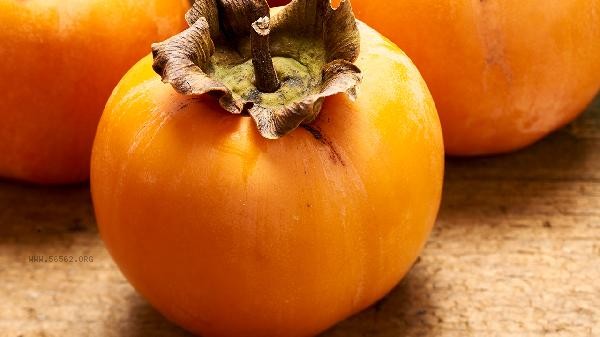
Choose persimmons with moderate maturity for cooking and avoid using unripe varieties. Ginger can be paired with cooking to relieve coldness. For those with weak gastrointestinal function, it is recommended to consume in small amounts. If you experience stomach discomfort after consumption, you can drink warm ginger water to relieve it. Persimmons should not be eaten with high protein foods to avoid the binding of tannins and proteins that can affect digestion.








Comments (0)
Leave a Comment
No comments yet
Be the first to share your thoughts!