
People who are trying to lose weight can generally eat snow lotus fruit, and moderate consumption can help control weight. Snow lotus fruit has low calories and is rich in dietary fiber, which can increase satiety and promote gastrointestinal peristalsis. Snow lotus fruit contains only about 50 calories per 100 grams, far below the calorie level of common staple foods. Its dietary fiber content is high, and after absorbing water and swelling, it can slow down gastric emptying and reduce hunger. The oligofructose in snow lotus fruit belongs to soluble dietary fiber, which can promote the proliferation of intestinal probiotics and improve metabolic function. This fruit has a low glycemic index and does not cause drastic fluctuations in blood sugar levels after consumption, making it suitable as an extra meal option for people who need to control their calorie intake. Replacing some high sugar and high-fat snacks with snow lotus fruit can help create a calorie deficit. Some individuals with weaker gastrointestinal function may experience bloating or diarrhea when consuming large amounts, which is related to the indigestible carbohydrates in snow lotus fruit. Snow lotus fruit contains a small amount of allergenic protein. People with allergies should observe whether there are skin itching and other reactions when consuming it for the first time. Due to the cold nature of snow lotus fruit, excessive consumption by individuals with weak constitution may exacerbate symptoms such as cold hands and feet. The skin of snow lotus fruit may contain parasitic eggs in the soil, which need to be thoroughly cleaned and peeled before consumption.
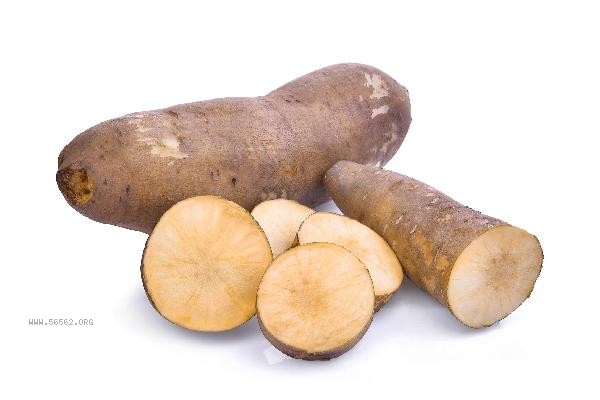
It is recommended to consume no more than 200 grams of snow lotus fruit per day during weight loss, preferably between meals. Can be paired with a small amount of nuts to balance coldness and avoid overeating on an empty stomach. Choose fresh snow lotus fruits with intact skin and no mold spots, cut them open and consume them as soon as possible to prevent oxidation. If you are on a very low calorie diet or have chronic kidney disease, you need to consult a nutritionist to adjust your intake. Maintaining a diverse diet structure and combining it with regular exercise can achieve a healthy weight loss effect.









Comments (0)
Leave a Comment
No comments yet
Be the first to share your thoughts!