
Pears can ripen other fruits, but the effect is limited. The ethylene gas released by pears can promote the ripening of some fruits, but their ripening ability is weaker than that of fruits such as bananas and apples. During the ripening process, pears release a small amount of ethylene, which is a natural plant hormone that can accelerate fruit respiration and starch conversion. Store unripe fruits such as kiwifruit and persimmons in a sealed container with pears. The trace amount of ethylene released by pears can help soften the flesh. But the ethylene release of pears is only about one-third of that of apples, and ripening takes longer. In practical operation, it is necessary to maintain the ambient temperature at around 20 degrees Celsius and check the fruit status daily to avoid overcooking.
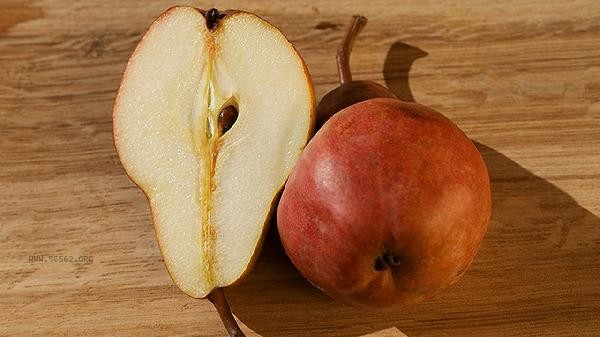
Some fruits are insensitive to ethylene, such as tropical fruits like dragon fruit and pineapple, while pears have little ripening effect. Stone fruits such as peaches and plums are prone to spoilage when ripe, and placing them together with pears may actually accelerate decay. It should be noted that pears almost do not release ethylene when they are not mature enough, and refrigeration environments can also inhibit ethylene production.
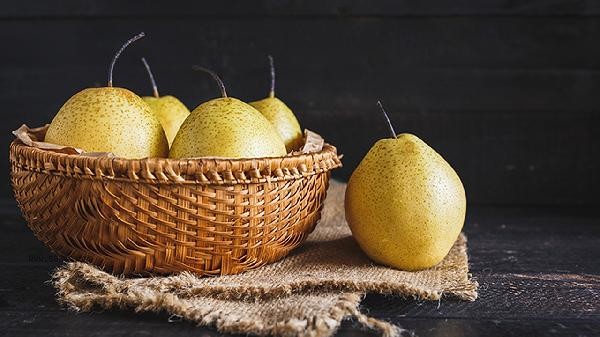
It is recommended to prioritize bananas or apples as ripening agents in daily life, and use them in combination with pears to enhance the effect. During the ripening process, the fruit should be sealed in a fresh-keeping bag to avoid contact with other vegetables. It is recommended to refer to the specific storage method for special varieties of fruits. Some fruits, such as mangoes, need to be wrapped in newspaper to maintain humidity during ripening. If rapid ripening is required, pears and fruits to be ripened can be placed in a rice container and the ethylene concentration can be increased in a sealed space.








Comments (0)
Leave a Comment
No comments yet
Be the first to share your thoughts!