
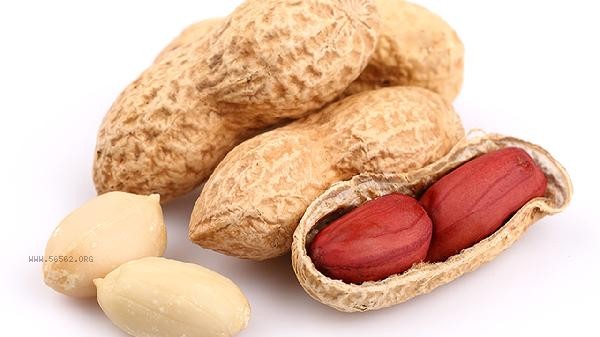
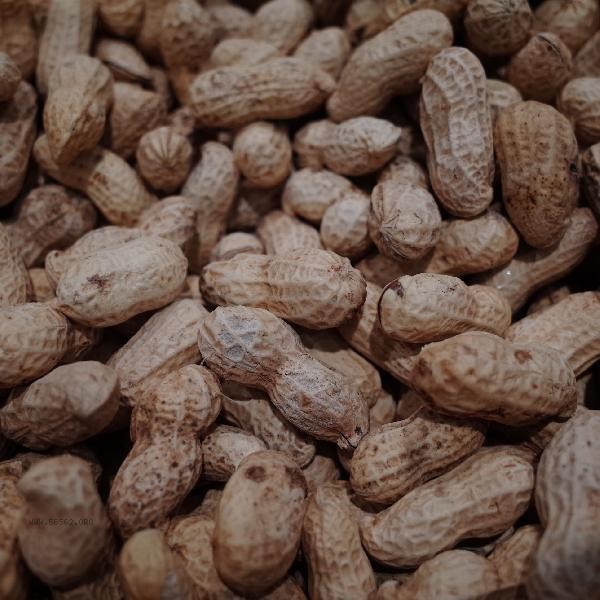
Shelled peanuts that have become moldy are usually not recommended for consumption. Moldy peanuts may contain harmful substances such as aflatoxins, and even after removing the moldy parts, there are still health risks. The visible fungal hyphae on the surface of moldy peanuts may only be a part of the contamination, as fungal toxins often have already penetrated into the interior of the peanuts. Aflatoxin is heat-resistant and chemically stable, and its toxicity cannot be completely destroyed by daily cooking. After ingestion, it may cause acute toxic reactions, manifested as gastrointestinal discomfort such as nausea, vomiting, abdominal pain, and diarrhea. Long term ingestion of small amounts can also increase the probability of liver damage and even liver cancer. In rare cases, if peanuts only show slight mold spots due to brief moisture exposure and the mold growth time is extremely short, they may be specially treated after professional testing confirms that there is no toxin contamination. However, it is difficult to accurately determine the degree of mold and the spread of toxins in the family environment, and there is a risk of misjudgment in self handling. The common causes of peanut mold deterioration include humid storage environment, high temperature, or damaged packaging. It is recommended to choose a dry and cool place for sealed storage.

Daily storage of peanuts with shells should be kept in a dry and ventilated environment, avoiding contact with moisture. If mold is found, it should be discarded immediately. Do not attempt to clean or heat it before consumption. For nut based foods, it is recommended to purchase a small amount and consume it as soon as possible, as the probability of mold growth will be significantly reduced. Special populations such as children, pregnant women, or liver disease patients need to strictly avoid contact with moldy foods to prevent the accumulation of toxins and health problems.








Comments (0)
Leave a Comment
No comments yet
Be the first to share your thoughts!