
Fried peanuts are generally not recommended for consumption. Fried peanuts may produce harmful substances, and their taste and nutritional value will significantly decrease. Fried peanuts can easily produce harmful substances such as acrylamide at high temperatures, and long-term intake may be detrimental to health. During the high-temperature frying process, the protein and sugars in peanuts undergo Maillard reaction, resulting in darker color, bitter taste, and the destruction of nutrients such as vitamin E and unsaturated fatty acids in peanuts. The texture of fried peanuts will become hard and rough, losing their original crispy taste, and may also have a noticeable burnt bitterness. If the peanuts are only slightly burnt and have a small area, the remaining portion after removing the burnt part can be consumed. But if there is a large area of burnt black or obvious bitterness, it should be discarded. Peanuts themselves contain a lot of oil, so the oil temperature should not be too high during frying. It is recommended to control it between 160-180 degrees to avoid repeated use of frying oil. Fried peanuts should be consumed as soon as possible or stored in a sealed container to prevent moisture and spoilage.
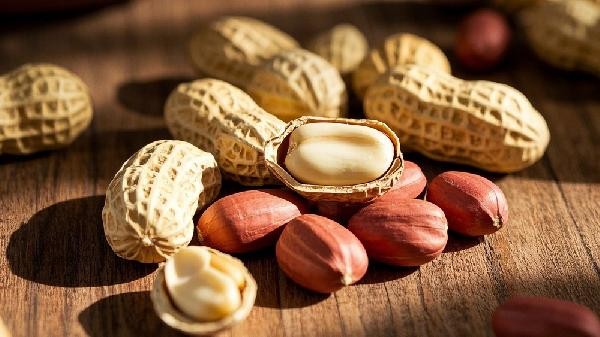
It is recommended to use fresh peanuts when cooking peanuts in daily life, control the oil temperature time, and avoid frying. You can choose healthier ways to process peanuts, such as boiling them in water or baking them in an oven. Store peanuts in a dry and cool place, and consume them as soon as possible after opening. If peanuts are found to have a rancid or moldy taste, they should be discarded immediately. Reasonably control the intake of nut foods, and it is recommended to consume 15-20 grams per day.








Comments (0)
Leave a Comment
No comments yet
Be the first to share your thoughts!