
If locally damaged fruits are only damaged by bumps and have not become moldy, they can usually be consumed after removing the spoiled parts; If mold or decay occurs, it is not recommended to continue consuming. Local damage to fruits is usually divided into two types: mechanical damage and microbial contamination. Mechanical damage such as transportation bumps leading to browning of fruit pulp, which does not breed mold, can still be safely consumed after thoroughly removing the discolored parts and surrounding tissues. After collision, fruit cells rupture and accelerate oxidation, although the taste may be slightly worse, it does not produce harmful substances. For common fruits such as bananas and apples, slight scratches on the skin do not affect the quality of the internal flesh, but should be consumed as soon as possible within 24 hours.
It is not recommended to consume moldy and rotten fruits, even if they only show small areas of mold. The fungal hyphae may have spread to seemingly intact parts, and common toxins such as penicillin are heat-resistant and difficult to remove by cleaning. Eating moldy fruits may cause acute gastroenteritis, and long-term intake can increase the burden on the liver. Especially for soft fruits such as peaches and plums, the rate of mold infiltration is fast, and sugarcane mold can produce strong neurotoxins. In such cases, the whole fruit must be discarded. During storage, adjacent fruits were found to be contaminated with mold spots, and they also need to be treated together to avoid cross infection.
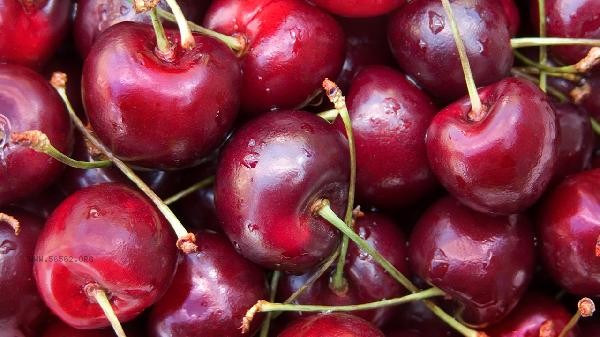
When purchasing fruits in daily life, priority should be given to individuals with intact appearance, and they should be stored in a well ventilated and dry environment. Cut fruit pulp should be refrigerated and consumed on the same day. Moldy fruits should be sealed and discarded to avoid contaminating other foods. Special populations such as children, pregnant women, or those with low immunity are recommended to give up eating any locally spoiled fruits and choose fresh ingredients to ensure nutrition and safety.









Comments (0)
Leave a Comment
No comments yet
Be the first to share your thoughts!