
Oatmeal is usually edible during weight loss, which helps increase satiety and control calorie intake. Oatmeal is rich in dietary fiber, high-quality protein, and various vitamins and minerals, making it suitable as a meal replacement or staple supplement during weight loss. Oatmeal is a low glycemic index food, which contains beta glucan that can slow down gastric emptying and reduce hunger. Dietary fiber can promote intestinal peristalsis and help eliminate excess fat and metabolic waste from the body. Unprocessed pure oatmeal has about 350 calories per 100 grams, much lower than refined rice flour of the same weight. During weight loss, it is recommended to choose plain oatmeal without added sugar to avoid the sugar and vegetable fat in ready to eat products. When consuming, mix 30g of dry oatmeal with 200ml of skim milk or warm water, and add a small amount of nuts to supplement healthy fat.
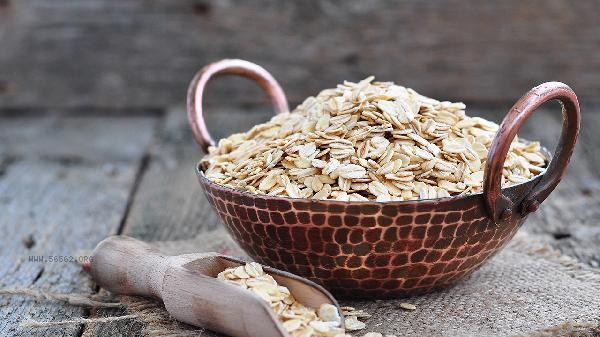
Some people need to pay attention to the way they consume oatmeal. For those with weak gastrointestinal function, excessive intake may cause bloating. It is recommended to gradually adapt from a small amount. Patients with gluten allergy or celiac disease should choose oat products labeled as gluten free. Patients with combined renal insufficiency need to control the intake of phosphorus in oatmeal. Commercial flavored oatmeal may contain hidden sugars, so it is important to carefully check the nutritional chart when making a purchase. During weight loss, oatmeal can be used as a breakfast or dinner staple, paired with boiled vegetables and low-fat protein. Avoid consuming high sugar fruits, honey, or condensed milk to increase calories. Long term single consumption may lead to nutritional imbalance, and it is recommended to alternate consumption with coarse grains such as quinoa and brown rice. If you experience symptoms of indigestion or allergies, you should adjust your diet structure in a timely manner and consult a nutritionist.








Comments (0)
Leave a Comment
No comments yet
Be the first to share your thoughts!