
Nuts can generally be consumed if there is no mold or odor after they regain moisture, but their taste and nutritional value will decrease. Nuts that are damp may be caused by a damp storage environment or inadequate packaging. Slight dampness can be restored to crispness by drying. If mold spots or a rancid taste appear, they should be discarded. After nuts become damp, their moisture content increases, making them prone to mold growth and the production of harmful substances such as aflatoxins. Nuts that are slightly damp in the short term can be partially dehydrated by baking them in a 150 ℃ oven for 10 minutes, but high temperatures may cause oxidation of unsaturated fatty acids. Unshelled nuts are more resistant to storage due to their outer shell protection, while opened mixed nuts are more prone to spoilage due to their larger contact area with air. Moldy nuts will produce visible hyphae or green spots, while emitting a pungent odor of rancid oil. High fat nuts such as peanuts and cashews have a higher risk of mold growth, and ingestion may cause gastrointestinal discomfort or liver damage. When storing, it is recommended to use a sealed container with food desiccant and place it in a cool and dark place. After opening, try to consume it within two weeks.

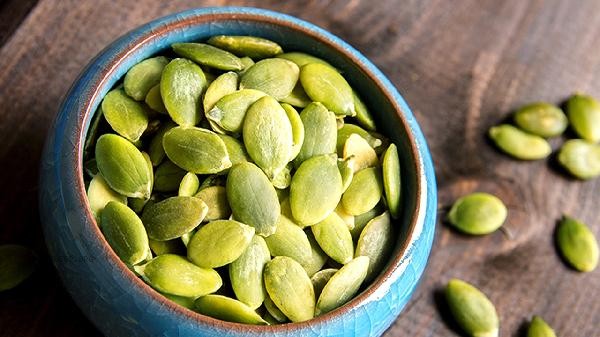
For daily consumption of nuts, it is recommended to choose original flavors and small packaging products to avoid buying too many at once. Eating foods with high vitamin E content such as spinach and avocado together can help delay the oxidation of unsaturated fatty acids in nuts. If abnormal reactions such as astringency or tongue numbness are found in nuts, consumption should be stopped immediately. People with indigestion can prioritize low-fat varieties such as almonds and pumpkin seeds.









Comments (0)
Leave a Comment
No comments yet
Be the first to share your thoughts!