
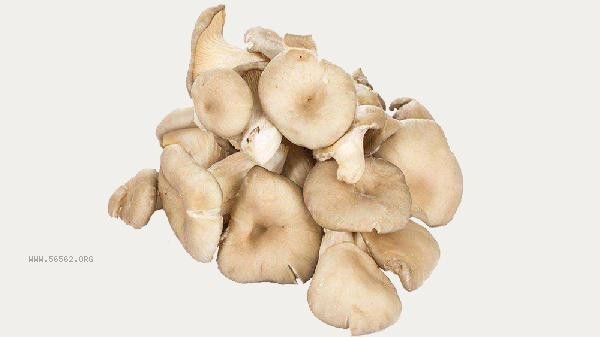
Mushrooms with a slight moldy smell are usually not recommended for consumption, and if the mold is severe, they should never be eaten. The moldy smell may be caused by improper storage or fungal contamination, and ingestion of moldy mushrooms may lead to gastrointestinal discomfort or food poisoning. Mushrooms are prone to mold growth in humid environments, producing a moldy odor that may be accompanied by changes such as darkening color and softening texture. Fungal metabolites such as aflatoxins have potential harm to the liver, and high-temperature cooking cannot completely destroy them. Even if the moldy part is removed, the mycelium may have spread to other parts, posing a safety hazard. It is recommended to choose fresh mushrooms that are dry, odorless, with intact mushroom caps and uniform color, and consume them as soon as possible after purchase. When storing, wrap it in a paper bag and refrigerate it in the refrigerator to avoid the accumulation of moisture caused by sealing the plastic bag. If you experience symptoms such as abdominal pain and vomiting after ingesting moldy mushrooms, you can dilute the toxin with water and observe the reaction. If symptoms persist or worsen, seek medical attention promptly. Doctors may use medications such as montmorillonite powder and norfloxacin for targeted treatment based on the situation. Before cooking mushrooms in daily life, they should be thoroughly cleaned and heated thoroughly to avoid the risk of increased toxin absorption when consumed with alcohol. Special populations such as pregnant women, children, and those with low immunity need to be more cautious.








Comments (0)
Leave a Comment
No comments yet
Be the first to share your thoughts!